
Table of Contents
Does My Child have Autism or Is it Just a Speech Delay?
This is one of the most common—and most emotional—questions parents ask.
If your toddler isn’t talking as much as you expected, it can feel overwhelming fast. Maybe they say a few words, maybe none, or maybe they understand everything but struggle to respond.
At some point, many parents find themselves asking the same question: Is this just a speech delay in toddlers, or could it be something more?
Take a breath; this is a common concern, and you’re not alone. The truth is, speech delay in toddlers does not automatically mean autism. But understanding how communication develops—and when to look a little deeper—can give you clarity and peace of mind.
In this guide by Texas ABA Centers, we’ll walk through what speech delay in toddlers really means, how it connects to autism and speech delay, and how to recognize broader developmental issues in toddlers, all in a way that helps you feel informed, not overwhelmed.
How Does Language Development Work in Toddlers?
Before diving into concerns, it helps to understand what typical development looks like.
Toddlers don’t just “start talking”; they build language step by step:
- Around 12 months: first words may appear
- 12–18 months: simple vocabulary grows
- By age 2: many children begin combining words
- Ongoing: gestures, eye contact, and social interaction support communication
Keep in mind that language development isn’t just about words. It’s also about:
- Making eye contact
- Pointing to show interest
- Responding to names
- Engaging in back-and-forth interaction
When speech delay in toddlers happens, it may mean a child is progressing more slowly in one or more of these areas, but that doesn’t always point to a deeper condition.
What Are the Causes of Speech Delay in Toddlers?
There are many reasons that make speech delay in toddlers possible, and most are not related to autism.
Some common causes include:
- Hearing differences or ear infections
- Limited exposure to language
- Developmental pace variations
- Oral-motor challenges
- Broader developmental issues in toddlers
According to research published in the Singapore Medical Journal, speech and language delays affect a significant number of young children and can affect later development if left untreated.
In many cases, children with speech delay still:
- Try to communicate through gestures
- Show interest in people
- Engage socially, even without words
This distinction becomes important when exploring autism and speech delay.
How to Tell When Speech Delay is a Sign of Autism?
Here’s the key idea:
- Speech delay in toddlers affects how a child speaks.
- Autism affects how a child communicates, interacts, and processes the world.
A child with only a speech delay in toddlers, may:
- Use gestures like pointing or waving
- Maintain eye contact
- Show interest in social interaction
- Try to connect, even without words

When it comes to autism and speech delay, the differences go beyond speech.
Experts highlight that early signs of autism often include differences in social communication, responsiveness, and interaction patterns, such as limited eye contact or reduced response to their name.
That’s why understanding the full picture, not just speech, is essential.
What Are the Key Differences Between Speech Delay and Autism?
When comparing speech delay in toddlers and the correlation between autism and speech delay, the biggest difference is how children connect socially.
As pointed out by autism experts:
In Speech Delay in Toddlers:
- Communication challenge is mainly verbal
- Social engagement is present
- The child uses gestures and expressions to connect
In Autism:
- Communication differences go beyond speech
- Social interaction may be reduced or different
- Limited use of gestures, eye contact, or shared attention
- Repetitive behaviors or focused interests may appear
A helpful way to think about it:
- Speech delay in toddlers may appear as the child wanting to connect but struggling to express it.
- A child experiencing autism and speech delay may experience differences in both expression and connection.
6 Signs of Developmental Issues in Toddlers
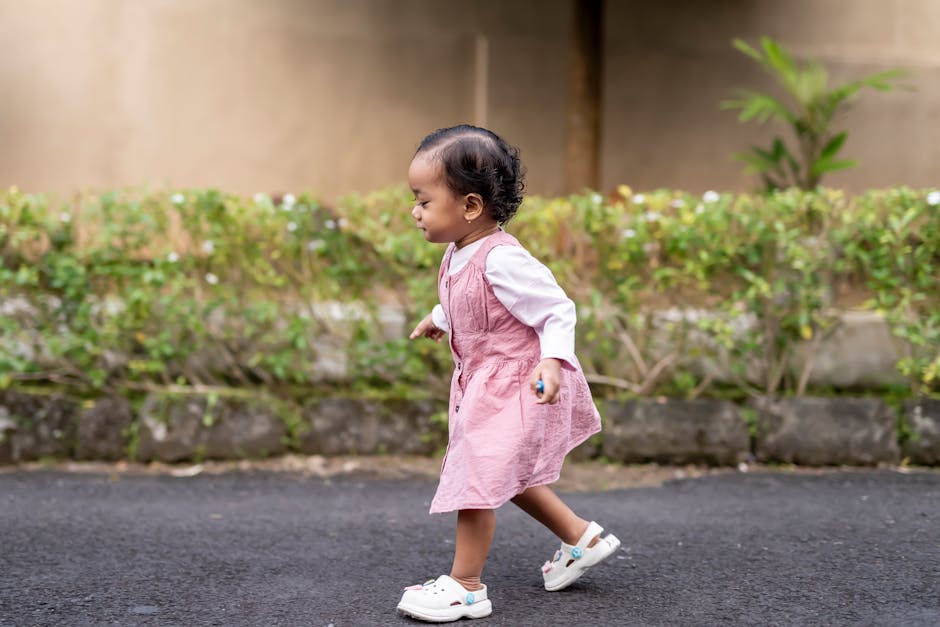
Sometimes, speech delay in toddlers is just one piece of a larger developmental pattern.
Signs of broader developmental issues in toddlers may include:
- Limited response to their name
- Reduced eye contact
- Not pointing to share interest
- Difficulty with imitation
- Limited interest in social play
- Repetitive behaviors
Let’s see a comparison to take into consideration when suspecting autism in your toddler:
Feature | Speech Delay (Only) | Autism (ASD) |
Non-Verbal Cues | Uses pointing, nodding, and expressions to “talk.” | Limited or unusual use of gestures and expressions. |
Social Motivation | Very interested in playing with and being near others. | May seem “content” alone; avoids or ignores social bids. |
Response to Name | Consistently responds (hearing being normal). | Often inconsistent; may seem like they don’t hear you. |
Eye Contact | Used naturally to “check in” or gain attention. | May be avoidant, fleeting, or “intense” without social meaning. |
Play | Creative, functional, and involves others. | Often repetitive (lining up, spinning) and solitary. |
Imitation | Enthusiastically copies your chores and gestures. | Difficulty copying actions or “pretend” play. |
It’s important to remember: Not every case of speech delay in toddlers has these signs, but when multiple patterns appear together, it may point to autism and deserves further analysis by experts.
When Should I Seek Professional Help?
If you’re wondering whether to wait or act, here’s a simple rule: It’s always okay to ask early.
Consider reaching out if your child:
- Isn’t using words by 16–18 months
- Isn’t combining words by age 2
- Rarely responds to their name
- Shows limited social interaction
- Loses previously learned words or skills
Early evaluation doesn’t mean something is wrong—it means you’re giving your child the best chance to thrive.
Professionals assess:
- Communication patterns
- Social interaction
- Developmental milestones
- Behavior and play
This helps determine whether it’s:
- A speech delay in toddlers
- Broader developmental issues in toddlers
- Or autism and speech delay
How Is Autism Properly Diagnosed in Toddlers?
Autism is not diagnosed based on speech alone. A comprehensive evaluation looks at:
- Social communication
- Behavioral patterns
- Developmental history
- Standardized screening tools
Specialists may include:
- Developmental pediatricians
- Speech-language pathologists
- Behavioral therapists
This thorough process ensures families get clear, accurate answers, rather than guesses.
How ABA Therapy Helps Children Thrive
If a child is diagnosed with autism, early support can make a powerful difference.
Applied Behavior Analysis (ABA) therapy focuses on:
- Building communication skills (verbal and nonverbal)
- Improving social interaction
- Encouraging independence
- Supporting daily life skills
For children experiencing autism and speech delay, ABA therapy doesn’t just target speech; it helps them:
- Learn how to connect
- Express needs effectively
- Build confidence in real-life situations
Over time, this support helps children grow into more independent, engaged versions of themselves.
Finding Clarity and Support When You Need It Most with Texas ABA Centers
If you’re here, chances are you’re paying close attention to your child, and that matters.
Whether it’s a case of simple speech delay in toddlers as a developmental issue, or a suspicion of autism and speech delay in your child that worries you, getting answers early can bring relief, direction, and real progress.
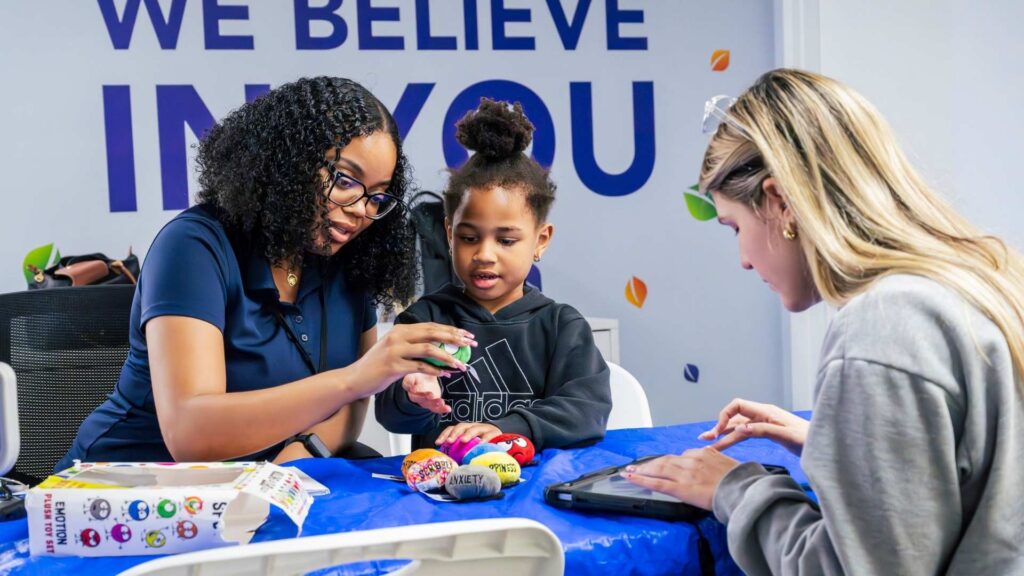
At Texas ABA Centers, we work with families at this exact stage, when something feels uncertain, but you’re not sure what it means yet. Our team provides comprehensive evaluations and personalized ABA therapy designed to help children build communication, confidence, and independence.
If you’re wondering what’s next, you don’t have to figure it out alone.
Schedule a free consultation today to get personalized guidance. You can click here or call us at (877) 771-5725 to learn more about your child’s needs and explore the best path forward.





 Español