

Table of Contents
Is It Normal for a Toddler to Not Respond to Their Name?
It usually starts as a small moment.
You call your child’s name while they’re playing… and nothing happens. You try again—still no response. Maybe they’re just focused. Maybe they didn’t hear you.
But when your toddler is not responding to their name, it becomes a pattern; it’s natural to feel concerned. You might start wondering if this is part of typical development—or something more.
If you’re here, you’re likely looking for clarity. Keep reading this guide by Texas ABA Centers as we walk through what this behavior can mean, when it’s worth exploring further, and how to support your child in a way that feels informed, rather than overwhelming. Let’s dive in!
Why My Toddler Is Not Responding to Their Name?
There are several reasons a toddler is not responding to their name, and not all of them point to autism.
Toddlers are still developing attention, communication, and social awareness. At times, they may:
- Be deeply focused on play
- Feel overstimulated or tired
- Be processing language more slowly
That said, when a toddler is not responding to their name, especially in calm environments, it can sometimes indicate developmental issues in toddlers, particularly those involving communication or attention.
According to the CDC’s early signs of autism, most children begin reliably responding to their name by 9–12 months. When that response is limited or inconsistent beyond that stage, it may be worth taking a closer look.
Is It Always Autism or Something Else?
Let’s pause here for a second, because this is where many parents’ minds go.
If a toddler is not responding to their name, it does not automatically mean autism.
There are several possible explanations tied to developmental issues in toddlers, including:
- Hearing differences (temporary or ongoing)
- Delays in language development
- Differences in attention or engagement
- Sensory processing variations
In fact, research published in The Journal of Pediatrics highlights that response to name is just one early behavioral marker, not a standalone diagnostic tool for autism.
The key is looking at the full developmental picture, not just one behavior.
Can A Child Have Selective Hearing or Is It Autism?
This is one of the most common and relatable questions. Sometimes, it can feel like your child hears everything except their name.
Selective attention is typical in early childhood. However, the difference lies in consistency.
- A toddler is not responding to their name occasionally? Very normal.
- A toddler is not responding to their name most of the time, across environments? Worth exploring.
When paired with other signs like limited eye contact, fewer gestures, or delayed communication, it may relate to autism and response to name patterns seen in early development.
Still, it’s important to approach this with balance. Many developmental issues in toddlers can look similar early on, which is why professional evaluation and intervention matter.
Why Does My Toddler Respond to the TV But Not to Me?
This can feel confusing, and honestly, a little frustrating. But there’s a reason.
Screens are designed to capture attention. Bright visuals, predictable sounds, and repetitive patterns make it easier for a child to stay engaged.
Responding to a person, on the other hand, requires more complex skills:
- Social awareness
- Language processing
- Shifting attention
So, if a toddler is not responding to their name but reacting to a TV show, it may reflect differences in social engagement rather than hearing ability.
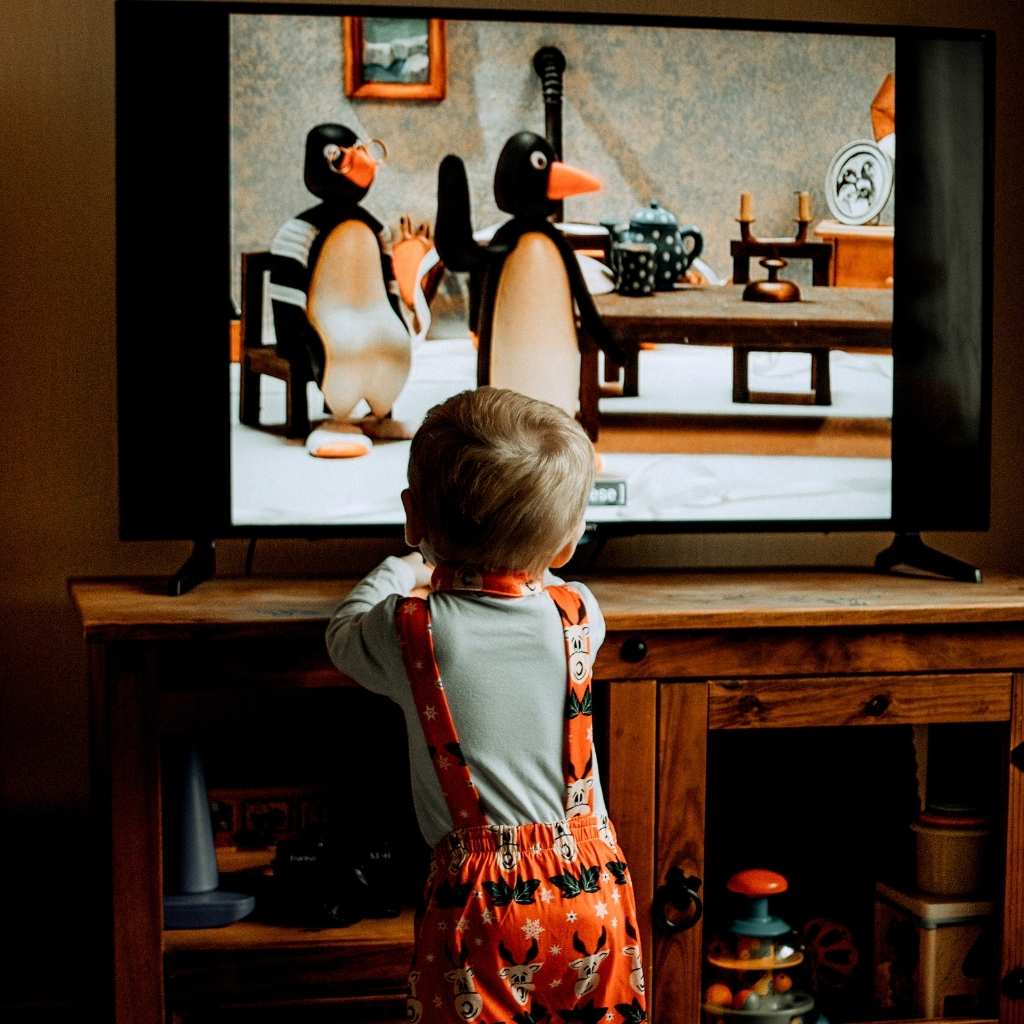
According to experts, this pattern can sometimes be associated with developmental issues in toddlers, including early signs related to autism and response to name behaviors.
How Do I Teach My Child to Look When I Call Their Name?
First, take a breath. You’re not alone, and there are gentle ways to encourage connection.
If your toddler is not responding to their name, it is becoming a concern. You can try:
- Getting down to their eye level
- Using their name in a warm, engaging tone
- Pairing their name with something meaningful (like a favorite toy)
- Reducing background distractions
- Gently tapping or adding a visual cue if needed
Organizations like Autism Speaks suggest reinforcing name response through positive, consistent interactions, not pressure.
Keep in mind that these strategies don’t replace professional support, but they can help create more opportunities for engagement.
When Should You Be Concerned About a Correlation Between Autism and Response to Name?
This is where patterns matter more than isolated moments. You may want to explore further possibilities if a toddler is not responding to their name, and it is something of your concern:
- Happens frequently, even in quiet settings
- Occurs alongside limited eye contact
- It is paired with delays in communication
- Shows reduced interest in social interaction
These patterns may indicate developmental issues in toddlers and, in some cases, align with autism and responses to name differences.
Again, this doesn’t mean a diagnosis; it means it’s time for clarity.
Can Autism Be Diagnosed in Toddlers?

Yes, and earlier than many people realize.
Autism can often be reliably identified as early as 18–24 months through a comprehensive developmental evaluation.
This process typically includes:
- Observing communication and play
- Reviewing developmental history
- Using standardized screening tools
- Assessing social interaction patterns
Understanding autism and response to name is one of this broader picture.
Early diagnosis matters because it opens the door to support during a critical stage of development when the brain is most adaptable.
How ABA Therapy Supports Children and Families
If a toddler is not responding to their name, it may be due to communication differences or autism; early support can make a meaningful difference.
Applied Behavior Analysis (ABA) therapy focuses on building foundational skills, including:
- Attention and engagement
- Communication and language
- Social interaction
- Response to cues (like their name)
Rather than changing who a child is, ABA helps children develop the tools they need to navigate the world with greater confidence and independence.
For families navigating developmental issues in toddlers, this kind of support can turn uncertainty into a clear path forward.
You Don’t Have to Figure This Out Alone
If your toddler is not responding to their name and you are wondering what it means, trust that instinct.
Getting answers doesn’t mean jumping to conclusions, but giving your child the best chance to thrive.
At Texas ABA Centers, we help families understand their child’s development through compassionate, evidence-based evaluations and personalized ABA therapy.
Whether it’s autism, another developmental difference, or simply a need for extra support, we’re here to guide you every step of the way.
Schedule a free consultation today to get personalized guidance by clicking here or calling us at (877) 771-5725. Learn more about your child’s needs, and explore the best path forward.
Keep In Mind…
If a toddler is not responding to their name, it can feel like a small moment, but it often carries big questions.
The good news? You’re paying attention. And that matters.
With the right information, support, and early guidance, developmental issues in toddlers—including those related to autism and response to name—can be opportunities for meaningful communication, connection, and confidence.






 Español