

Table of Contents
It usually starts with a small moment. Maybe your child doesn’t respond when you call their name. Maybe they’re not using as many words as other children their age. Or maybe something just feels… different.
If you’re here searching for signs of autism at 2 years old, you’re not alone, and you’re not overreacting. Many parents begin asking these questions during this stage, when developmental milestones for 2-year-olds become more noticeable and social communication begins to expand.
The important thing to know is this: differences in development don’t automatically mean autism. Keep reading this blog by Texas ABA Centers as we dive into the understanding of autism in toddlers, how it’s identified, and how it can help you make informed, confident decisions for your child.
What Are the Early Signs of Autism at 2 Years Old?
At age two, children are growing quickly in how they communicate, play, and connect with others. When certain developmental milestones for 2-year-olds don’t appear—or develop differently—it may be worth taking a closer look.
According to the CDC, some of the most common signs of autism at 2 years old include:
- Limited or inconsistent eye contact
- Not responding to their name
- Delayed speech or loss of previously learned words
- Reduced use of gestures (like pointing or waving)
- Repetitive movements or play patterns
- Limited interest in sharing experiences with others
You might also notice your child prefers to play alone, focuses intensely on certain objects, or reacts strongly (or very little) to sounds, textures, or changes in routine; these patterns are often described in research on autism in toddlers.
It’s important to remember that some of these behaviors can also appear in children without autism. What matters most is the pattern, consistency, and combination of behaviors over time.
Understanding Developmental Milestones for 2-Year-Olds
To better understand signs of autism at 2 years old, it helps to look at what typical development often includes.
According to the experts, many children at this age:
- Use simple two-word phrases (“more milk”)
- Point to objects or pictures when named
- Show interest in other children
- Imitate actions (like sweeping or talking on a phone)
- Follow simple instructions
- Engage in pretend play
It’s also important to note that these developmental milestones for 2-year-olds serve as a general guide, not as a strict checklist. Every child develops at their own pace.
However, when several milestones are consistently missing—especially in communication and social interaction—it may signal the need to explore whether autism in toddlers or another developmental difference could be present.
How to Tell if It’s a Developmental Delay or Autism in Toddlers?
This is one of the most common and understandable questions parents ask.
A developmental delay might affect one area, like speech, while other areas continue to develop typically. For example, a child may have limited words but still:
- Make eye contact
- Use gestures to communicate
- Show interest in playing with others
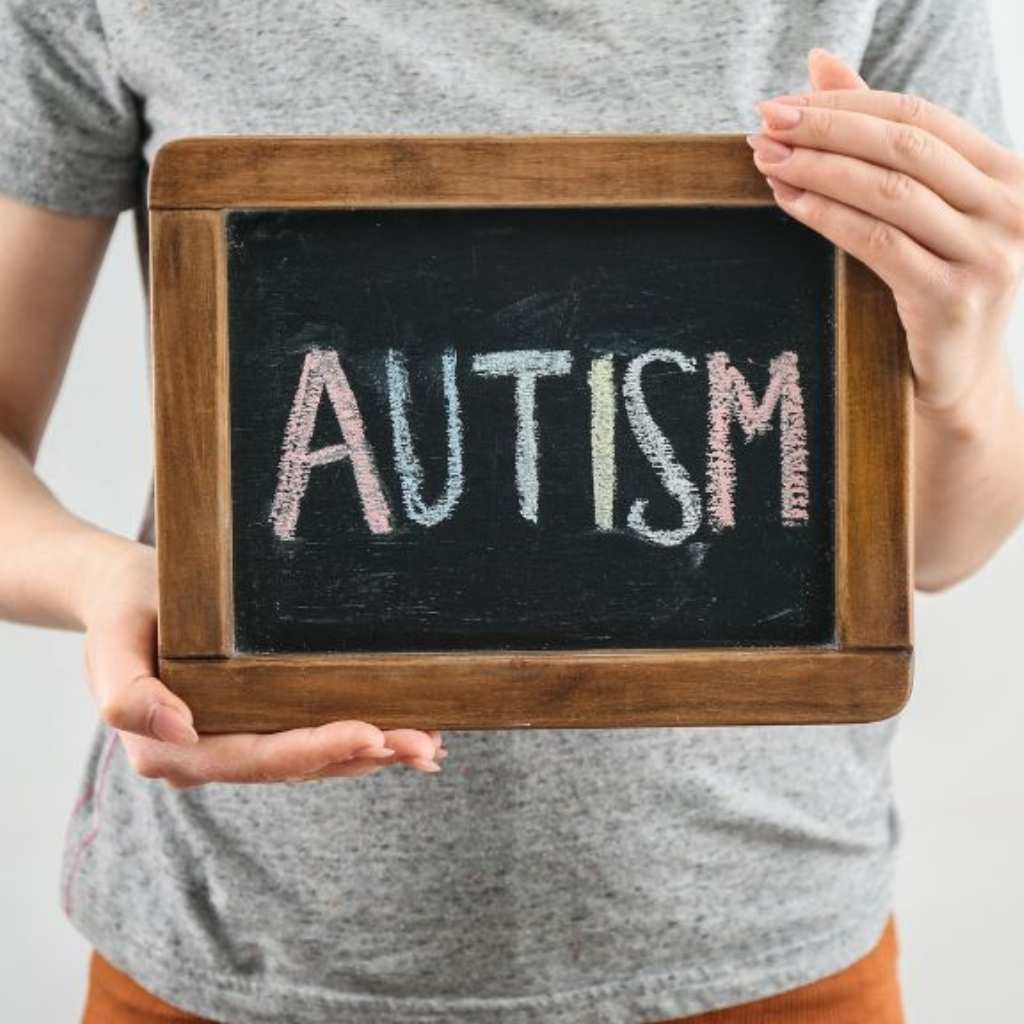
Differences in autism in toddlers span multiple areas, particularly social communication and behavior.
As noted by UNICEF, children with autism may:
- Struggle to engage in back-and-forth interaction
- Show limited interest in sharing attention
- Prefer routines and become distressed by changes
So, when evaluating signs of autism at 2 years old, professionals look beyond one skill; they assess how a child communicates, connects, and responds across different environments.
What’s The Difference Between Speech Delay and Autism?
Speech delay alone can be concerning, but it doesn’t always indicate autism. Here’s a helpful way to think about it:
Speech delay only: | Autism in toddlers (speech + social differences):
|
|
|
The National Autistic Society emphasizes that autism involves differences in communication and social understanding, not just language development.
That’s why identifying signs of autism at 2 years old requires a comprehensive view, not just focusing on speech.
Can Autism Be Diagnosed at 2 Years Old?
Yes—autism can often be reliably diagnosed at age two.
In fact, research shows that early identification of autism in toddlers allows children to begin receiving support during a critical window of brain development.
A formal evaluation typically includes:
- Observation of social communication
- Review of developmental history
- Structured developmental assessments
Professionals trained to diagnose autism in toddlers look beyond isolated behaviors and extend their observations to patterns over time.
If you’ve noticed multiple signs of autism at 2 years old, seeking an evaluation doesn’t mean labeling your child; it means gaining clarity and access to the right support.
Why Early Support is Vital for Autism in Toddlers
The first few years of life are a time of rapid brain development. During this stage, children are especially responsive to learning new skills.
Early intervention can support:
- Communication and language development
- Social interaction and play
- Daily living and independence skills
For children with autism, starting support early can make a meaningful difference in long-term outcomes.
That’s where therapies like Applied Behavior Analysis (ABA) come in.
How ABA Therapy Supports Children with Autism
ABA therapy is a research-based approach that helps children with autism build practical skills in everyday life.
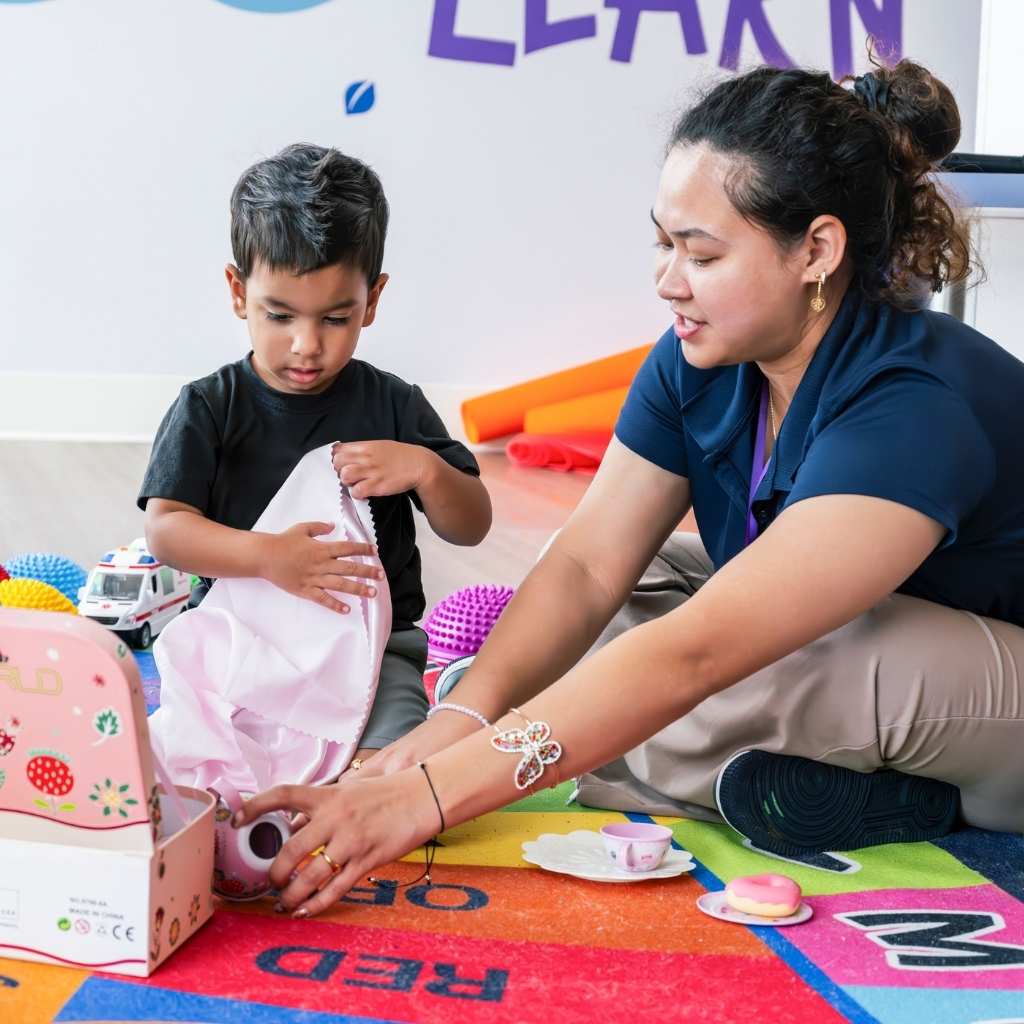
For children showing signs of autism at 2 years old, ABA therapy can focus on:
- Developing communication (verbal and nonverbal)
- Increasing social engagement
- Building routines and flexibility
- Teaching self-help and independence skills
Rather than trying to “change” a child, ABA therapy supports children with autism in developing the skills they need to thrive, at their own pace.
For families navigating autism in toddlers, having structured, personalized support can make the path forward feel much clearer.
What Should You Do If You Notice Signs of Autism at 2 Years Old?
If some of this feels familiar, you’re not expected to have all the answers right now.
A good next step is to:
- Track what you’re noticing
Patterns over time are more helpful than isolated moments - Review developmental milestones for 2-year-olds
Compare your child’s progress using trusted resources - Talk to a professional
A pediatrician or specialist can guide the next steps - Seek an evaluation if recommended
Early clarity leads to earlier support
Remember: noticing signs of autism at 2 years old is about staying informed and proactive rather than jumping to conclusions.
You’re Not Alone in This Process: Take the Next Step with Texas ABA Centers
It’s completely normal to feel uncertain, worried, or even overwhelmed when thinking about autism in toddlers.
But asking questions, learning about developmental milestones for 2-year-olds, and recognizing possible signs of autism at 2 years old are all meaningful steps toward supporting your child.
You don’t have to figure everything out on your own.
If you’re noticing signs of autism at 2 years old or have questions about your child’s development, getting expert guidance can bring clarity and peace of mind.
At Texas ABA Centers, families can:
- Learn more about autism evaluations
- Explore personalized ABA therapy options
- Receive support tailored to their child’s needs
Schedule a free consultation today to get personalized guidance by clicking here or calling us at (877) 771-5725, and learn how ABA therapy and early intervention can support your child’s growth, confidence, and independence.






 Español