


ABA Therapy Progress: What Does It Look Like and Why It’s Not Always Linear?

parent and ABA therapist working one-on-one with a child during a structured learning activity

Table of Contents

What Does Progress in ABA Look Like?

Starting ABA therapy often brings a mix of hope and uncertainty in parents, especially if their child is in the toddler years. It is natural for them to wonder whether therapy is working and what signs of progress to expect as they watch their child attend sessions.

The truth is that ABA therapy progress doesn’t follow a straight path. Children may make noticeable gains in one area while taking longer to develop another. They may also experience periods of slower growth before reaching an important breakthrough.

All this is a normal part of learning, not necessarily a sign that therapy is ineffective.

Rather than focusing on dramatic transformations, ABA professionals look for meaningful improvements that help children communicate, participate more independently in daily routines, and build skills that support long-term development.

In this article from Texas ABA Centers, we explain how progress in ABA therapy is measured, why every child’s journey looks different, what to expect from ABA therapy, and how families can recognize meaningful growth along the way.

What Does ABA Therapy Progress Really Mean?

ABA therapy progress refers to meaningful improvements in the skills that help a child function more independently in everyday life. Instead of measuring success by dramatic changes or fixed timelines, our clinicians evaluate progress based on individualized goals that reflect each child’s unique strengths, needs, and priorities.

One of the biggest misconceptions about ABA therapy is that children should master new skills at a predictable pace and comply with established developmental milestones. In reality, development varies considerably from one child to another.

For one toddler, progress in ABA might be learning to request a favorite toy instead of becoming frustrated. For another, it may be following a routine independently or playing with a sibling for a few extra minutes. These milestones may seem small, but they often serve as the foundation for more advanced communication, social, and daily living skills.

Toddler smiling while playing with toys, an small moment that shows aba therapy progress

Equally important is whether children begin using these skills outside therapy sessions. When a child applies a new skill at home, in preschool, or during community outings, it demonstrates that learning is becoming part of everyday life rather than remaining limited to the therapy environment.

Why ABA Therapy Progress Looks Different for Every Child

Differences in communication abilities, learning styles, developmental profiles, strengths, and support needs are some of the factors that influence how quickly new skills are acquired and generalized.

Parents sometimes compare their child’s progress with stories they read online or with other children receiving services. While it’s understandable to look for a baseline, these comparisons rarely reflect all the factors that influence learning.

Research on early comprehensive behavioral interventions consistently shows that children can make meaningful gains in communication, adaptive behavior, and other functional skills. Still, the pace and extent of improvement differ across individuals. This is why treatment goals should always be individualized.

Also, skills don’t usually develop all at once; a toddler may make significant progress in communication while still needing support with emotional regulation or daily routines. BCBAs monitor each developmental area independently and adjust treatment as needed.

How ABA Professionals Measure Progress

ABA professionals measure progress through individualized goals, objective data collection, and ongoing assessment. This evidence-based process helps them determine whether a child is developing the necessary skills and whether treatment strategies should be adjusted to support continued growth.

At the beginning of the process, the BCBA completes assessments to identify the child’s abilities and the goals that will have the greatest impact on daily life.

Throughout therapy, RBTs collect data during sessions, such as how often a skill occurs, how much assistance is needed, and the ability to use the skill across environments.

Aba therapy progress: what does it look like and why it's not always linear?

The Council of Autism Service Providers explains that high-quality ABA programs rely on continuous assessment and objective data to guide clinical decision-making. Regular review allows clinicians to modify teaching strategies, adjust goals, and ensure that therapy continues to meet the child’s changing needs.

Parents also contribute valuable information by sharing observations from home and community settings. Together, clinical data and family experiences provide a more complete picture of ABA therapy progress.

Small Milestones Can Be Meaningful Progress

Parent and toddler smiling while interacting face to face at home

Meaningful progress often appears through small functional improvements that make everyday life easier for children and their families. These gradual changes build the foundation for greater independence over time.

Some examples of milestones may be:

  • Requesting help using words, gestures, signs, or pictures
  • Transitioning between activities with less frustration
  • Following simple directions more independently
  • Participating in family routines more consistently
  • Interacting with others for longer periods during play

As children continue practicing these skills across different environments, they become more independent and confident in everyday situations.

Are Plateaus and Setbacks Normal?

Yes. Slower periods of progress are a normal part of learning and do not mean that the therapy isn’t working. Children’s development naturally includes times of rapid growth, slower progress, and occasional setbacks.

A learning plateau occurs when a child appears to stop making noticeable gains while strengthening or refining an existing skill. Clinicians use data to determine whether teaching strategies need to be changed.

A temporary regression involves a short-term decrease in previously demonstrated skills and may be related to factors such as illness or changes in routine

Young child expressing frustration during a learning activity

This demonstrates that progress doesn’t depend solely on the therapy itself but also on other factors surrounding daily life. 

Research shows that learning trajectories are naturally non-linear. Looking at progress over weeks and months provides a much more accurate picture than focusing on a single difficult day or even a challenging week.

If the data indicate that progress has truly stalled, the therapy team may adjust goals, introduce new teaching strategies, or identify external factors that could be affecting learning.

How Long Does It Take to See Progress in ABA Therapy?

Because evidence-based ABA therapy is individualized, there is no universal timeline for progress. Some children show improvements in specific goals within weeks, while broader improvements in communication, independence, or behavioral flexibility are often developed gradually through consistent, data-informed interventions.

The calendar doesn’t measure progress and success; clinicians focus on whether a child continues to build toward functional goals that improve everyday life.

How Parents Can Support Progress Between Sessions

Parents help reinforce progress by creating natural opportunities to practice new skills during everyday routines. Consistency between home and therapy allows children to apply what they are learning in meaningful ways.

Families can support what to expect from ABA therapy by:

  • Encouraging children to use communication skills throughout the day
  • Practicing goals during meals, playtime, and daily routines
  • Maintaining open communication with the therapy team
  • Celebrating effort and small successes instead of expecting perfection

As a parent, you are not expected to become a therapist. Your contribution to ABA therapy progress is partnering with the clinical team and recognizing the everyday victories that support your child’s long-term development.

Every Child’s Progress Is Unique in Texas ABA Centers

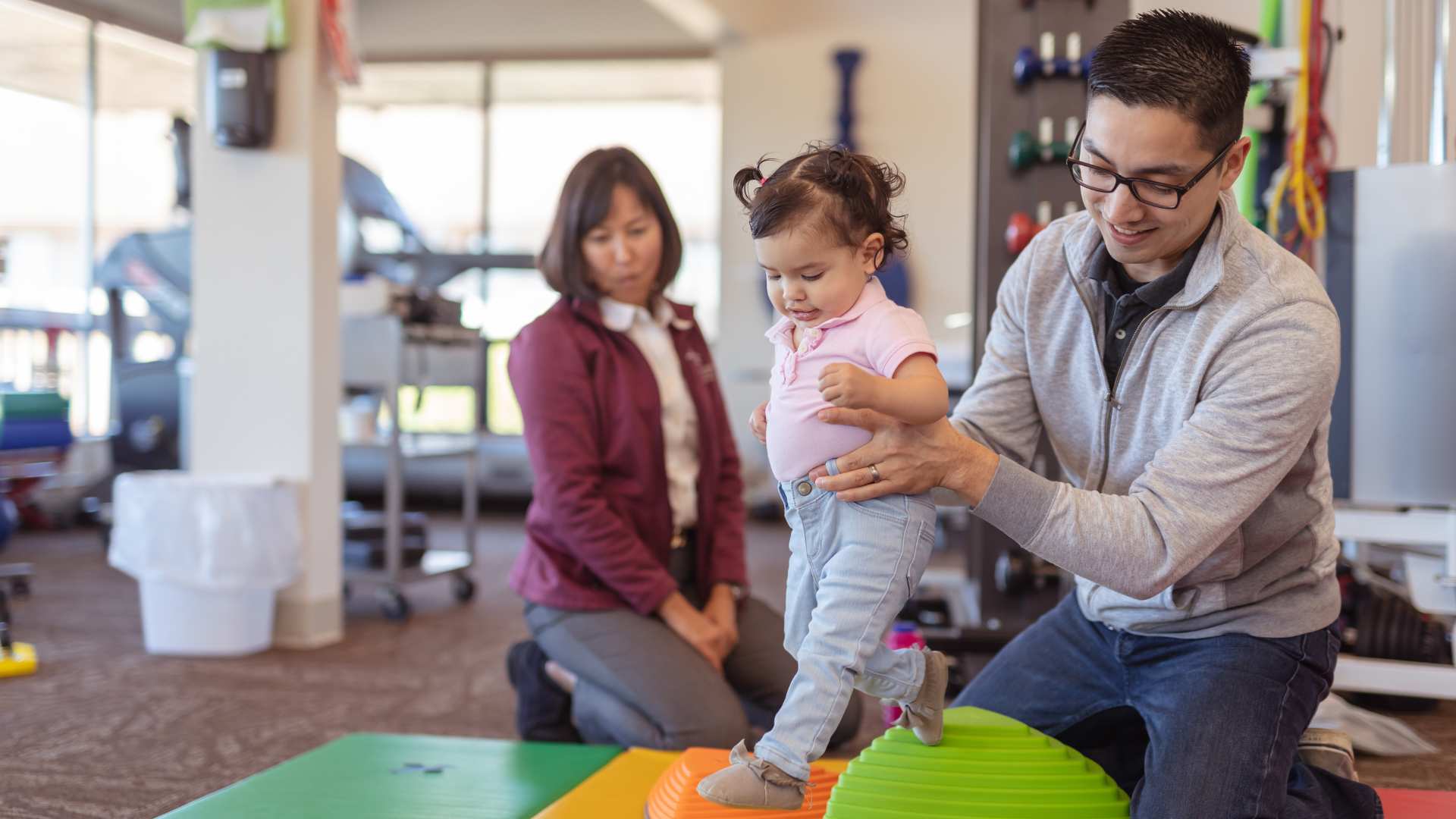
Aba therapist supporting a child during a balance and motor skills activity meant to measure aba therapy progress

Watching your child grow and receive the support they need and deserve can be both exciting and emotional, especially when ABA therapy progress doesn’t always happen as quickly as you hoped. It’s important to remember that meaningful progress in ABA therapy isn’t measured by comparing your child to others.

Instead, it’s reflected in the steady development of skills that help them communicate, participate more independently, and navigate everyday life with greater confidence.

At Texas ABA Centers, our team develops individualized treatment plans and conducts ongoing assessments in collaboration with families to help ensure that therapy continues to evolve alongside each child’s needs.

If you’d like to learn more about our autism services, reach out via our website or call (877) 771-5725. Our team is here to guide you through this process and provide information about what to expect from ABA therapy and your child’s progress.

While progress may not always be linear, every meaningful step forward contributes to a stronger foundation for future learning.


es_ESEspañol
Scroll to Top