
Table of Contents
Are there Famous Athletes with Autism?
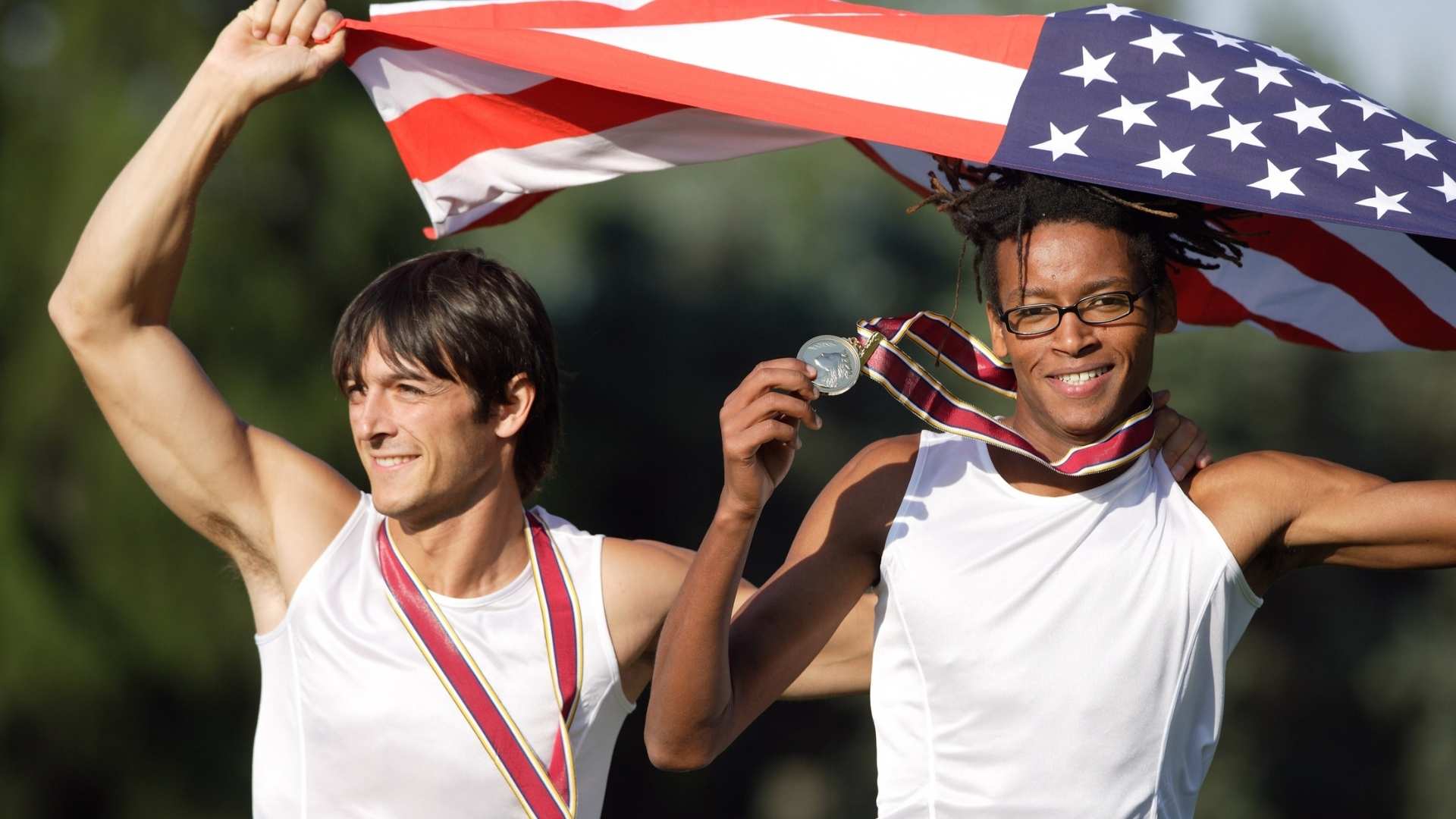
When people think about sports, they often picture competition, discipline, and physical strength. When they think about autism, they may imagine structure, routine, or social differences.
But what happens when these two worlds come together?
Across stadiums, tracks, and training fields, athletes with autism are challenging outdated perceptions. Their stories are about more than winning; they are about resilience, growth, and identity.
For many families, this raises an important question: Can children and teens with autism succeed in sports?
The answer is yes. And more importantly, they can thrive.
Keep reading this article by Texas ABA Centers and discover how, from professional competitors to everyday participants, athletes on the spectrum show that sports and autism can work together to build confidence, independence, and meaningful life skills.
Can Individuals with Autism Succeed in Sports?
There’s a common misconception that sports and autism don’t naturally align. In reality, many traits associated with autism, such as focus, consistency, and attention to detail, can support athletic success.
Sports rely on repetition. Progress comes from routine. Mastery develops over time.
What at first appears to be an autistic trait in sports can be a strength for neurodivergent individuals.
Research supports this connection. A study in Sports Medicine – Open found that structured physical activity can improve motor skills, fitness, and social outcomes for individuals with autism. Additional findings show that participation in structured programs enhances peer interaction and engagement.
In other words, athletes with autism are no exceptions; they are examples of what is possible with the right support.
Autism and Sports: Where Routine Becomes Strength
The connection between sports and autism is rooted in structure.
Sports provide:
- Predictable routines
- Repetition of skills
- Clear expectations
- Measurable progress
For many athletes on the spectrum, this structure creates confidence.
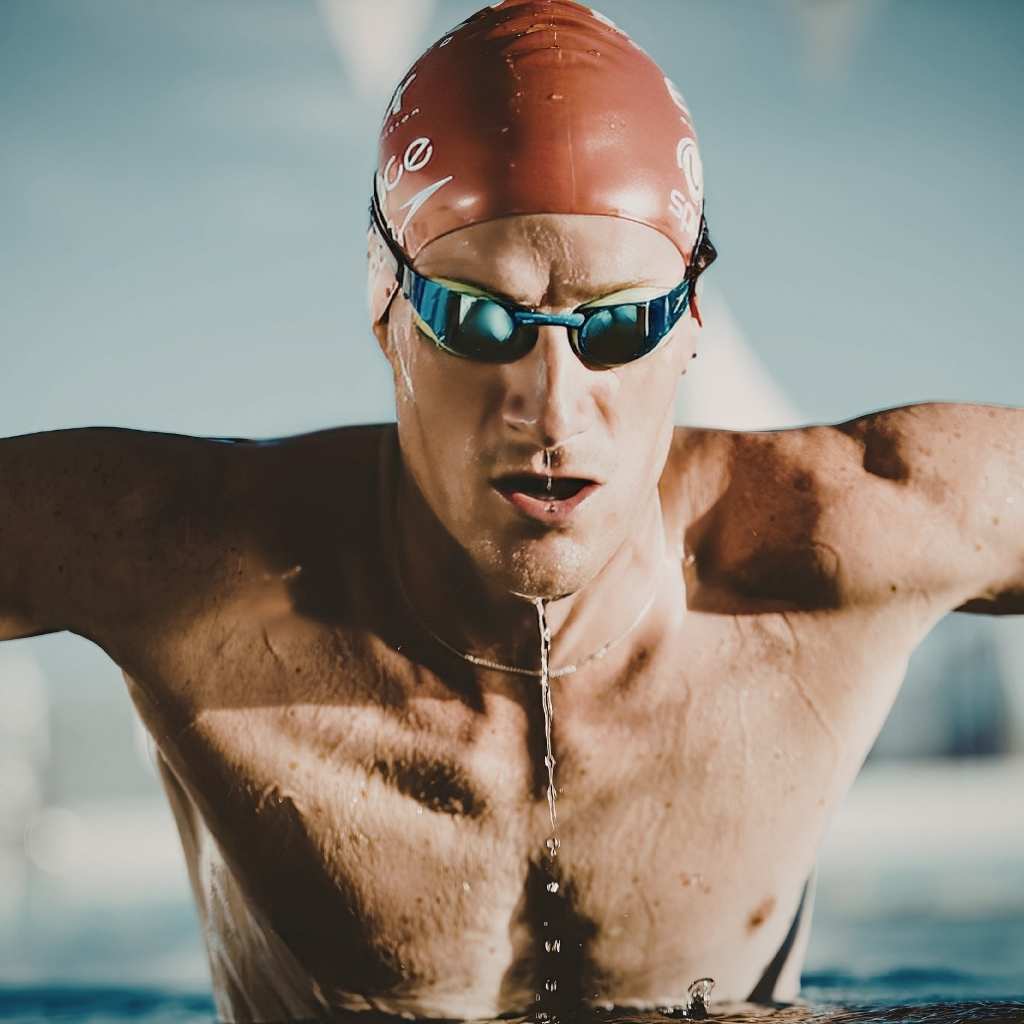
Think about a runner repeating drills or a swimmer practicing strokes daily. This repetition mirrors practices used in therapeutic approaches such as Applied Behavior Analysis (ABA).
In ABA therapy, repetition helps build communication, independence, and daily living skills. The same pattern that helps athletes with autism improve performance is what supports growth in everyday life.
7 Inspiring Stories of Athletes with Autism
Behind every achievement is a story shaped by persistence, identity, and opportunity. Many athletes with autism have not only excelled in their sports; they have helped redefine what success looks like.
Here are real-world examples of athletes with autism who have succeeded at different levels of competition:
Anthony Ianni – From Bullying to Big Ten Champion
Anthony Ianni made history as the first Division I basketball player openly diagnosed with autism, playing for Michigan State.
Diagnosed at a young age, Ianni faced bullying and social challenges growing up. Basketball became a structured outlet where repetition and discipline worked in his favor.
Standing 6’9″, he contributed to a Big Ten Championship team and later became a national advocate for inclusion, speaking to students across the country.
His story shows how athletes on the spectrum can turn early challenges into leadership and impact.
Clay Marzo – A Surfing Prodigy Guided by Rhythm
Clay Marzo began surfing in Hawaii as a child and quickly gained recognition for his natural talent.
Diagnosed in his teens, Marzo found that the ocean offered something unique: a space where rhythm, repetition, and movement replaced social complexity.
Known for his creative, fluid style, he has competed internationally and secured sponsorships. His journey highlights how participation in sports can provide connection through sensory experiences and deep focus.
Jessica-Jane Applegate – Paralympic Gold Through Structure
Jessica-Jane Applegate was diagnosed with autism in childhood and discovered swimming early in life.
At just 16 years old, she won gold at the 2012 Paralympics in London, along with additional international medals throughout her career.
Swimming provided a predictable and calming environment, where repetition and structure supported both performance and emotional regulation.
Her journey reflects how athletes with autism often thrive in environments that offer consistency, like structured therapeutic settings.
Mikey Brannigan – Building Independence Through Running
Diagnosed at age 5, Mikey Brannigan began running to channel energy and improve his focus.
He went on to become a professional middle-distance runner, winning national titles and competing internationally. He has even broken the 4-minute mile barrier in training, placing him among elite athletes.
Training within a structured program designed for neurodivergent athletes, Brannigan’s success highlights how athletes on the spectrum benefit from routine, coaching, and long-term support.
Jason McElwain – The Game that Inspired Millions
Jason “J-Mac” McElwain was diagnosed with autism early in life and served as his high school basketball team’s manager.
In his final game, he was given the chance to play and scored 20 points in just 4 minutes, including six three-pointers.
His performance became a national story, showing how preparation and opportunity can unlock potential in athletes with autism.
Tony Snell – A Late Diagnosis, a Deeper Understanding
Tony Snell played nearly a decade in the NBA before being diagnosed with autism at age 31.
After his son received the same diagnosis, Snell began to better understand his own traits, including his preference for routine and structured environments.
His story highlights an important reality: many athletes on the spectrum are diagnosed later in life, yet still build successful careers and meaningful lives.
Fernando Mendoza and Jeremiyah Love – Expanding awareness
Fernando Mendoza and Jeremiyah Love have both been mentioned in online conversations about neurodiversity in sports. However, neither athlete has been publicly diagnosed with autism.
Speculation often arises when athletes display traits such as strong focus, structured routines, or intense dedication—qualities that are valuable in sports but are not, on their own, indicators of autism.
It’s important to rely on confirmed information. Highlighting athletes with verified autism diagnoses helps ensure accurate representation and prevents the spread of misinformation.
What Research Says About Sports and Autism

Scientific research continues to reinforce what these stories show.
Participation in sports and autism programs has been linked to:
- Improved social interaction
- Better emotional regulation
- Increased physical fitness
- Enhanced overall well-being
A review on PubMed Central highlights how exercise supports behavioral and social outcomes, while additional findings emphasize both physical and psychosocial benefits.
For many athletes with autism, these benefits extend far beyond performance.
How ABA Therapy Supports Success on and Off the Field
The success of athletes on the spectrum is not just about talent—it’s about support.
Therapeutic approaches like ABA therapy help children develop skills that directly translate to sports, including:
- Following instructions
- Communicating with peers and coaches
- Managing emotions during challenges
- Building consistent routines
Just like athletic training, ABA focuses on repetition, reinforcement, and gradual progress.
Helping Your Child Get Started in Sports
Getting started in sports doesn’t have to be overwhelming.
Simple steps can help:
- Begin with individual activities like swimming or running
- Look for structured, supportive programs
- Use visual schedules to prepare for practice
- Focus on enjoyment rather than performance
Every child’s path is different, and every step forward matters.
Supporting Your Child’s Journey with Texas ABA Centers
Every child deserves the opportunity to build confidence, independence, and meaningful connections. With the right support, sports can be a powerful part of that journey.
At Texas ABA Centers, we provide personalized ABA therapy designed to help children develop communication, independence, and social skills that carry into all areas of life, including sports.
If you’re exploring support options, we’re here to help. Schedule a free consultation by calling us today at (877) 771-5725 or by clicking here.








 Español