

Table of Contents
At around 18 months, many parents find themselves paying closer attention to their child’s development. Maybe you’ve noticed your toddler isn’t talking as much as others, or they seem less interested in interaction. That quiet question starts to form: “Is this normal?”
Searching for autism signs at 18 months old can feel overwhelming, but it’s also a powerful first step toward understanding your child. The truth is, not every delay means autism. But knowing what to look for—and when to act—can make a meaningful difference.
Keep reading this guide by Texas ABA Centers, as we walk you through developmental milestones at 18 months old, early signs of autism in toddlers, and how to move forward with confidence and support.
Why 18 Months Is Such an Important Developmental Stage
By 18 months, toddlers are typically becoming more expressive, curious, and socially engaged. According to the CDC’s developmental milestones, many children at this age:
- Say several single words
- Point to show interest or request something
- Follow simple directions
- Engage in pretend play
- Show affection and seek interaction
These developmental milestones at 18 months old help parents understand what’s emerging and what may need closer attention.
If some of these skills aren’t showing up yet, it doesn’t automatically mean autism. But it may signal a developmental difference worth exploring.
What Are the Autism Signs at 18 Months Old?
When parents search for autism signs at 18 months old, it’s because they’re often noticing concerning patterns. Early signs of autism in toddlers usually appear in three main areas: communication, social interaction, and behavior.
Here are some of the most common signs to watch for:
Limited or No Spoken Words
By this age, most toddlers use at least a few meaningful words. A child who isn’t attempting to communicate verbally—or isn’t progressing—may be showing early autism signs at 18 months old.
Lack of Pointing or Gestures
Pointing is a key part of communication. If your child isn’t pointing to share interest or request something, this can be one of the more noticeable signs of autism in toddlers.
Reduced Eye Contact or Social Engagement
Children typically seek connection—smiling, looking at caregivers, or sharing moments. Limited engagement may be an early indicator highlighted by the CDC.
Not Responding to Their Name
While occasional distraction is normal, consistently not responding can be one of the more commonly reported autism signs at 18 months old.
Repetitive Behaviors
Some children may:
- Line up toys
- Spin objects repeatedly
- Focus intensely on specific parts of objects
These patterns are often included among early signs of autism in toddlers.
Limited Imitation or Interaction
Toddlers usually mimic sounds, gestures, and actions. A lack of imitation can reflect differences in communication development.
According to UNICEF, early signs of autism can vary widely, which is why looking at the overall pattern matters more than any single behavior.
What’s the Difference Between Developmental Delay and Autism in Toddlers?
This is one of the most important questions parents ask.
A developmental delay means a child is progressing more slowly in one or more areas, such as speech or motor skills. Autism, on the other hand, is a neurodevelopmental condition that affects communication, behavior, and social interaction in more complex ways.

For example:
- A speech delay may involve fewer words, but normal social interaction
- Autism may involve both delayed speech and differences in social engagement
Understanding this distinction is key when evaluating developmental milestones at 18 months old.
According to KidsHealth, children develop at different rates, and some variation is completely normal. The goal isn’t to jump to conclusions, but to gather information and seek clarity to approach this matter in the best way possible for you and your child.
Can a Child Lose Skills Without Having Autism?
Yes, and this can be confusing for parents.
Sometimes, children may temporarily stop using certain words or behaviors as they go through developmental changes. However, losing previously acquired skills, especially in communication or social interaction, should always be evaluated.
Skill regression can be associated with autism, but it can also occur for other reasons. Experts note that early evaluation enables professionals to better understand what is happening and to recommend appropriate support.
If you notice regression alongside other autism signs at 18 months old, it’s especially important to take the next step.
When Should You Seek Help for Your 18-Month-Old?
If you’re asking this question, you’re already doing the right thing.
You may want to seek guidance if your child:
- Is not meeting several developmental milestones at 18 months old
- Shows multiple signs of autism in toddlers
- Has lost previously learned skills
- Struggles to communicate needs or interact
You don’t need to wait for a diagnosis to act. Early conversations with a pediatrician or specialist can provide reassurance and clarity in the next steps.
Early screening is often recommended at this age because autism signs at 18 months old become more visible and easier to evaluate.
How ABA Therapy Supports Children with Autism
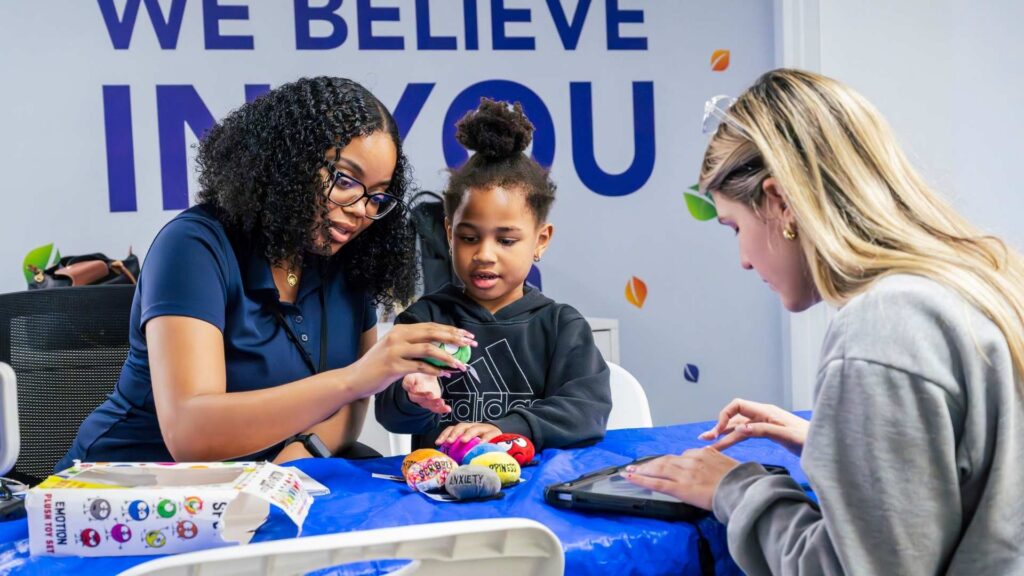
If a child is diagnosed with autism, early intervention can make a powerful difference.
Applied Behavior Analysis (ABA) therapy is one of the most widely recommended approaches for supporting people with autism. It focuses on:
- Building communication skills
- Improving social interaction
- Encouraging positive behaviors
- Supporting independence
ABA therapy is highly individualized, meaning each child’s program is tailored to their strengths and needs.
With the right support, children can develop the skills they need to thrive, at their own pace, in their own way.
Moving Forward with Confidence and Support
If, after reading this article, you’re still noticing that your child may be presenting autism signs at 18 months old, it’s natural to feel uncertain. But you don’t have to figure everything out on your own.
Whether your child is experiencing a delay, a developmental difference, or autism, early understanding leads to better outcomes.
At Texas ABA Centers, we work closely with families to provide clarity, guidance, and personalized care. Our team is here to help you understand your child’s development and explore the best path forward.
Schedule a free consultation today to get personalized guidance by clicking here or calling us at (877) 771-5725.
And Remember…
Every child develops differently. Not every delay means autism, but recognizing signs of autism in toddlers and understanding developmental milestones at 18 months old can empower you to act when it matters most.
You’re not overreacting. You’re paying attention. And that matters.








 Español