
In-School ABA Therapy
School-based ABA Therapy Services
ABA Makes the Difference in the Classroom
Recognizing the immense value that ABA therapy support can bring to the educational sphere, we’ve forged partnerships with numerous school districts across the state. We’re proud to offer our ABA therapy services in your child’s learning environment. What’s more, this one-on-one support comes at no additional cost to the school.
With our school-based ABA therapy, your child benefits from the personalized assistance of our Registered Behavior Technicians (RBTs) and Board Certified Behavior Analysts (BCBAs). We work together with school staff, ensuring an enriching, supportive, and collaborative educational journey for your child.
At Texas ABA Centers, we champion the transformative power of Applied Behavior Analysis (ABA) therapy, widely acknowledged as the gold standard in autism care. Our high-quality, evidence-based approach empowers children on the autism spectrum, teaching them the essential developmental, social, and language skills they need to achieve long-term, meaningful outcomes.

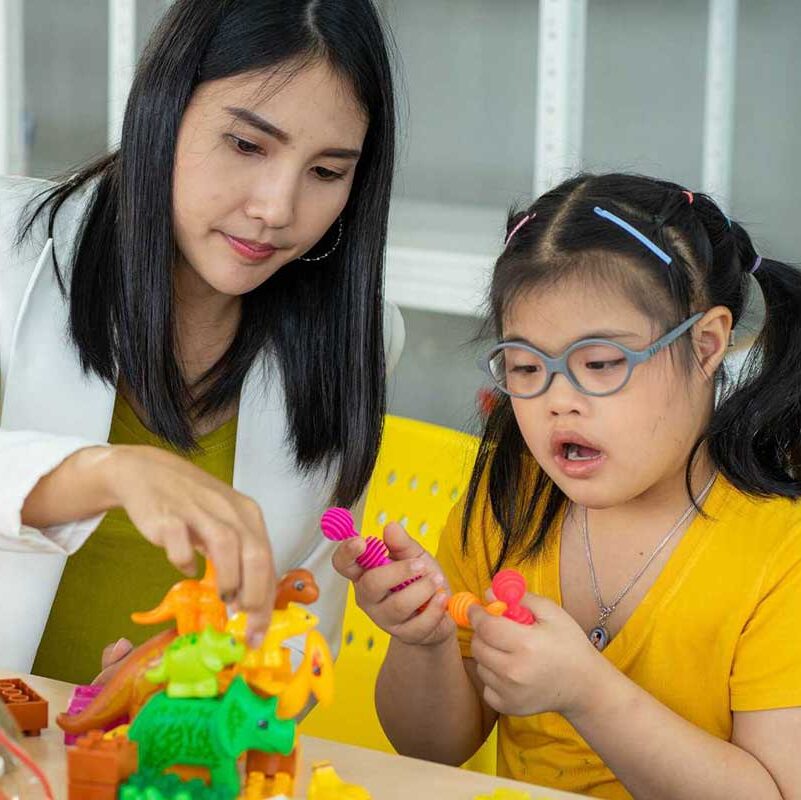
Elevating Learning Experiences with School-based ABA Therapy
Children with autism may have additional difficulties adjusting to the dynamics of the school environment. With the help of a certified ABA professional, children can have additional support to:
- Remain focused on their school activities
- Improve their academic performance
- Meet IEPs (Individualized Education Programs)
- Interact successfully with teachers and peers
- Promote inclusion and integration
- Implement healthy behaviors
- Provide a general environment conducive to learning
- Gain tools and skills to achieve independence
The presence of an ABA therapist in the classroom is neither invasive nor distracting. On the contrary, it enhances the teaching and learning processes. The ABA care provider allows the teacher to focus on all students while your child receives personalized support.
ABA Therapy at School: How Does it Work?
As the only autism therapy covered by most health insurance, ABA therapy plays a pivotal role in enhancing education for children with autism. Complying with the Individuals with Disabilities Education Act (IDEA), schools must provide free, appropriate public education. However, incorporating ABA therapy can further equip these students with essential tools for academic and community success.
At Texas ABA Centers, our professionals work diligently to secure permissions from school districts for our RBTs and BCBAs to accompany our clients in school, creating a continuum of care and ensuring the long-term benefits of ABA therapy.
Here are the safety requirements our certified ABA therapy providers meet in order to work in the school environment:
- Extensive background check for working with children
- Certification test by the Behavior Analyst Certification Board
- Vetting and insurance verification processes required by the school
- Fingerprinting
If you’re interested in school-based ABA therapy or in our autism care services, contact us today!

Frequently Asked Questions
In-School ABA Therapy in Texas
No matter where your child stands in their learning and development journey, our In-School ABA therapy approach is designed to help them thrive in an educational environment.
We prioritize creating a happy, rewarding, and fulfilling school experience for your child. For more information about In-School ABA therapy or any of our other services, please call (877) 771-5725 to discuss your options with an expert.


 Español