

How do I create a joyful environment for my neurodivergent child?
The holiday season brings gatherings, traditions, and moments of shared connection. But when it comes to autism and the holidays, these celebrations can also introduce unique challenges for families. Sensory overload, schedule changes, and unfamiliar social expectations can make the season overwhelming for children on the autism spectrum, leaving many parents unsure of how to create an autism-friendly holiday experience that feels joyful rather than stressful.
As a parent, you may ask yourself, “How do I create a joyful environment for my neurodivergent child?” With the right strategies, planning, and support, it’s absolutely possible to make the holidays meaningful and enjoyable for everyone.
Texas ABA Centers, specialists in ABA therapy, are here to guide families through the complexities of supporting children with autism during this busy time of year. Keep reading to explore practical insights that can help you confidently and compassionately navigate the intersection of autism and the holidays.
What Autism and the Holidays Mean?
Autism and the holidays refer to the unique challenges and experiences that individuals with autism and their families may face during the holiday season. Holidays often come with changes in routine, increased social interactions, loud noises, bright lights, and new experiences, all of which can be overwhelming for individuals on the autism spectrum.
The term “autism and the holidays” acknowledges these potential difficulties and is often used in discussions about strategies to help individuals with autism and their families navigate holiday seasons more comfortably. It’s important to remember that every person with autism is unique, and what might work for one individual may not work for another. Understanding, patience, and flexibility are fundamental during these times.
Now, let’s navigate autism and the holidays with these ten helpful tips.
10 Tips for an Autism-Friendly Holiday

1. Get Ready in Advance
In anticipation of Christmas and New Year’s Eve, or winter break, parents of individuals with autism may find it beneficial to take a thoughtful and proactive approach. Think of creating a visual schedule, aiding the comprehension and anticipation of upcoming events.
Crafting social stories tailored to holiday activities can serve as a helpful guide; clarifying social expectations and potential changes in routine will create a kind of trust so that when the days of celebration come, it will not be a surprise for your child.
You can find free Christmas social stories or visual cards on eBay.
Finally, remember to consider the culinary side of the festivities. Holiday get-togethers typically showcase a range of distinctive dishes, which might be challenging for a picky eater. Introducing these unfamiliar foods in advance is essential, allowing your child to cultivate a taste or curiosity.
2. Stick with the Routine
Maintaining a consistent routine is crucial in creating a supportive environment for neurodiverse children. One effective strategy involves pre-planning holiday activities aligned with the child’s schedule. By integrating familiar practices into festive plans, parents can provide a sense of predictability and comfort amidst the seasonal changes.
As an example, in a scenario where a family traditionally opens presents on Christmas morning. For a child with autism accustomed to a structured morning routine, the family can pre-plan the holiday activity by incorporating elements of the usual way. They might start the day with the child’s favorite breakfast, maintaining a familiar morning schedule. Before the gift-opening session, parents can communicate the upcoming change, explaining that it’s a unique holiday tradition.
3. Communication is Key
Keep your relatives and friends informed about your child’s requirements and sensitivities. By openly sharing relevant information, you enable those around you to play a role in creating a positive and inclusive experience for your child.
You can share insights into specific triggers, preferences, or strategies to enhance your child’s comfort and enjoyment during gatherings. Promote open dialogue about your child’s communication style and any accommodations that could be helpful.
This collaborative approach builds understanding and empowers your relatives and friends to establish a supportive environment. Consider providing practical suggestions for interacting with your child, emphasizing the significance of patience, flexibility, and respect for their boundaries.
4. Establish an Autism-Friendly Environment
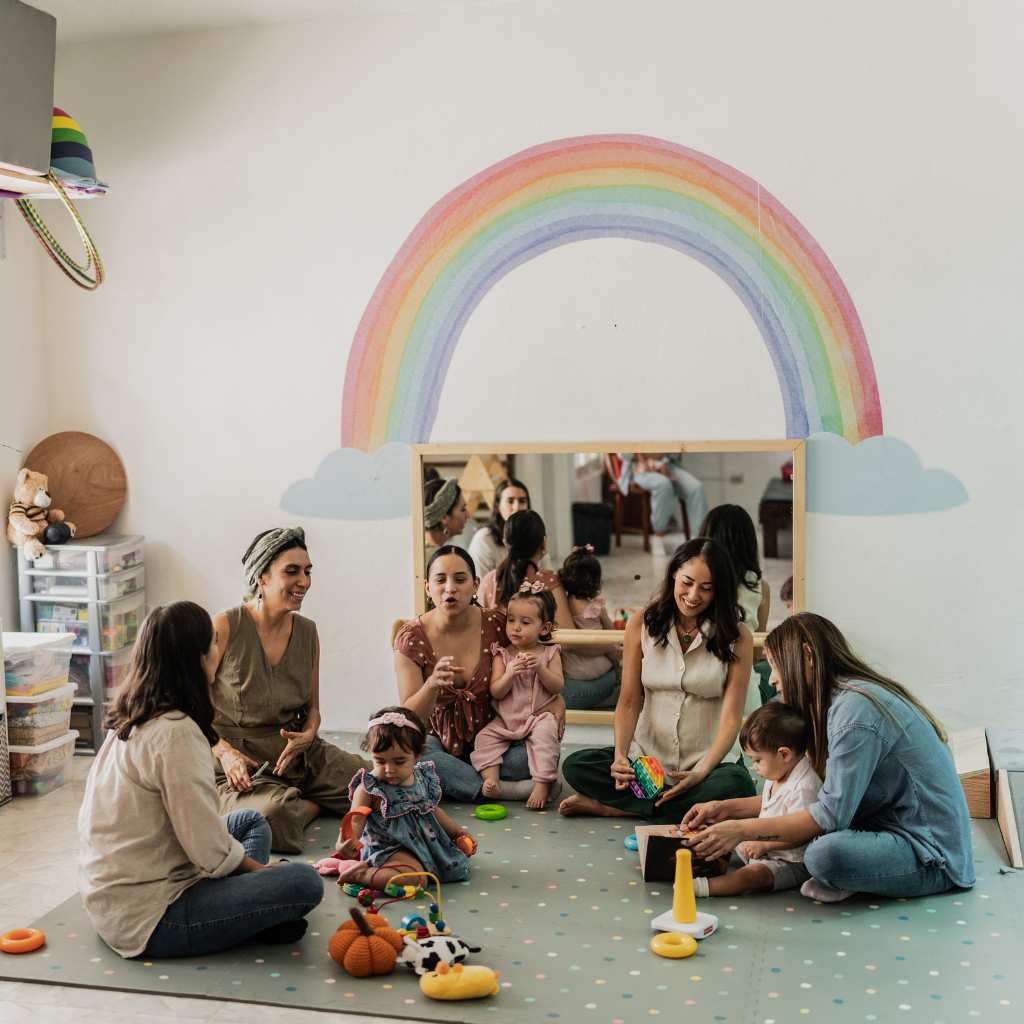
Identify a calm and comfortable area where your child can seek refuge if the holiday celebrations overwhelm them. Choosing a dedicated space that offers comfort and tranquility for your child when sensory stimulation or social interactions become too much is crucial.
Opt for a location away from the bustling main festivities, preferably a room or corner with subdued lighting and minimal noise. Place comfortable seating, incorporating soft pillows or a cozy blanket to enhance the soothing ambiance. Consider incorporating noise-canceling headphones or earplugs to reduce auditory stimuli.
Enhance this quiet space by preparing a sensory-friendly bag tailored to your child’s specific sensory needs. This bag can include items like fidget toys, stress balls, or a beloved comfort item.
5. Be Mindful of Sensory Sensitivities
To navigate autism and the holiday season, parents need to be mindful of their child’s sensory sensitivities. This acceptance involves understanding how the various holiday elements might impact their child’s sensory experience. For instance, bright lights, loud noises, and intricate decorations could overwhelm a child with heightened sensory sensitivities.
You can proactively manage these sensitivities by strategically adjusting the holiday environment. Consider softer lighting, minimizing loud or abrupt sounds, and ensuring a comfortable and familiar space.
6. Provide Options and Choices
It’s crucial to acknowledge the significance of autonomy for neurodiverse children. You can help your loved ones feel controlled and comfortable by providing options and choices, presenting alternatives for various holiday activities, and allowing the child to decide based on their preferences.
For example, during a holiday meal, provide a selection of foods, considering the child’s tastes and sensory sensitivities. By offering choices, such as different textures or familiar items, the individual can actively participate in the meal preparation and enjoy a holiday dinner tailored to their preferences. This approach respects the child’s autonomy and contributes to a more positive and inclusive holiday experience.
7. Anticipate and Prepare for Transitions
Prioritize anticipating and preparing for transitions to ensure a smoother experience. Transitions, whether they involve changes in routine, activities, or environments, can be challenging for neurodiverse individuals. Therefore, proactive measures become fundamental.
To help prepare their children for upcoming changes and promote a sense of predictability, you can use visual aids such as schedules or calendars. These can provide a clear and tangible representation of the forthcoming transitions. Additionally, offering advance notice and using countdowns or timers can further assist in signaling transitions.
8. Embrace Flexibility
Being flexible means keeping an open mind and being willing to adjust activities or schedules to enhance your kid’s comfort and enjoyment. This adaptability is crucial when dealing with the unpredictable nature of autism, especially during the holiday season when various stimuli and social dynamics can influence your child’s experience.
When a loud environment becomes overwhelming, responding by finding a quieter space or adjusting the schedule to fit your child’s needs demonstrates a supportive and attentive approach.
9. Prioritize Self-Care
Maintaining personal balance and resilience is crucial when caring for a child with autism. It can lead to a more positive and supportive environment for both the parent and the child. You can achieve this by recognizing individual needs, seeking support, and establishing boundaries. While providing a list of specific actions is tempting, it’s better to consider a broader approach to prioritize self-care.
Raising a child on the autism spectrum can have a significant impact on parents. According to the Journal of Autism and Developmental Disorders, parents of children with ASD experience elevated levels of burnout and depression in comparison to parents of typically developing children.
10. Explore Autism Support Groups in Texas








 Español