

Tabla de contenidos
Why can Valentine´s Day be challenging for kids with autism?
Valentine´s Day and autism can intersect in ways that bring both opportunities and challenges. The holiday often comes with big expectations: cards exchanged at school, social rules that feel unspoken, and emotions that seem to show up all at once. For children with autism, these expectations can feel confusing or overwhelming. Many parents and caregivers want to make the day meaningful and inclusive, but aren’t always sure how to do that in a way that truly supports their child.
The good news is that Valentine´s Day and autism can absolutely go together in positive, empowering ways. With thoughtful planning, realistic expectations, and autism-friendly activities, this holiday can become an opportunity to build connection, confidence, and social understanding on your child’s terms.
Esta guía de Texas ABA Centers shares practical, compassionate Valentine´s Day tips for autism. Whether you’re preparing at home or at school, you’ll find ideas to nurture comfort, joy, and growth while supporting social skills in autism. Let’s dig in and see how understanding challenges can help you create a positive experience.
Why Valentine´s Day Can Be Challenging
Understanding why this holiday can feel difficult is the first step toward creating a better experience. Valentine´s Day is full of abstract social concepts—romantic symbolism, peer expectations, and emotional nuance—that may not come naturally to children with autism.
Some common challenges around Valentine´s Day and autism incluyen:
- Unspoken social rules, like knowing when and how to give cards or treats
- Sensory sensitivities related to noise, crowded classrooms, or sugary foods
- Changes in routine, especially during school celebrations
- Pressure to reciprocate emotions, which may feel unclear or stressful
As Autism Parenting Magazine notes, holidays that emphasize social interaction can unintentionally heighten stress for families when expectations aren’t adapted to a child’s needs. Recognizing these challenges allows caregivers to respond with empathy instead of pressure, one of the most important Valentine´s Day tips for autism.
Helping Children with Autism Understand Valentine´s Day
One of the most helpful Valentine´s Day tips for autism is to focus on clear, concrete explanations. Rather than assuming children understand what Valentine´s Day represents, take time to explain it in ways that feel accessible and predictable.
Helpful strategies include:
- Using simple language to explain that Valentine´s Day is about kindness and appreciation
- Lectura social stories or books that describe Valentine´s Day routines
- Practicing scenarios like giving a card or saying “Happy Valentine´s Day”
Professionals emphasizes that structured explanations can reduce guesswork in social situations and support emotional understanding over time. Pair that with practical communication supports recommended by the National Autistic Society (like clear language and visuals), and Valentine´s Day can feel far more predictable.
This kind of preparation supports social skills in autism because children get a roadmap before they’re expected to navigate the moment.
4 Autism-Friendly Valentine´s Day Activities
This is where Valentine´s Day and autism truly shine. Activities that prioritize predictability, sensory comfort, and creativity allow children to engage without feeling overwhelmed.
Here are autism-friendly Valentine´s Day activities families often find successful, and that you should definitely try this upcoming holiday:
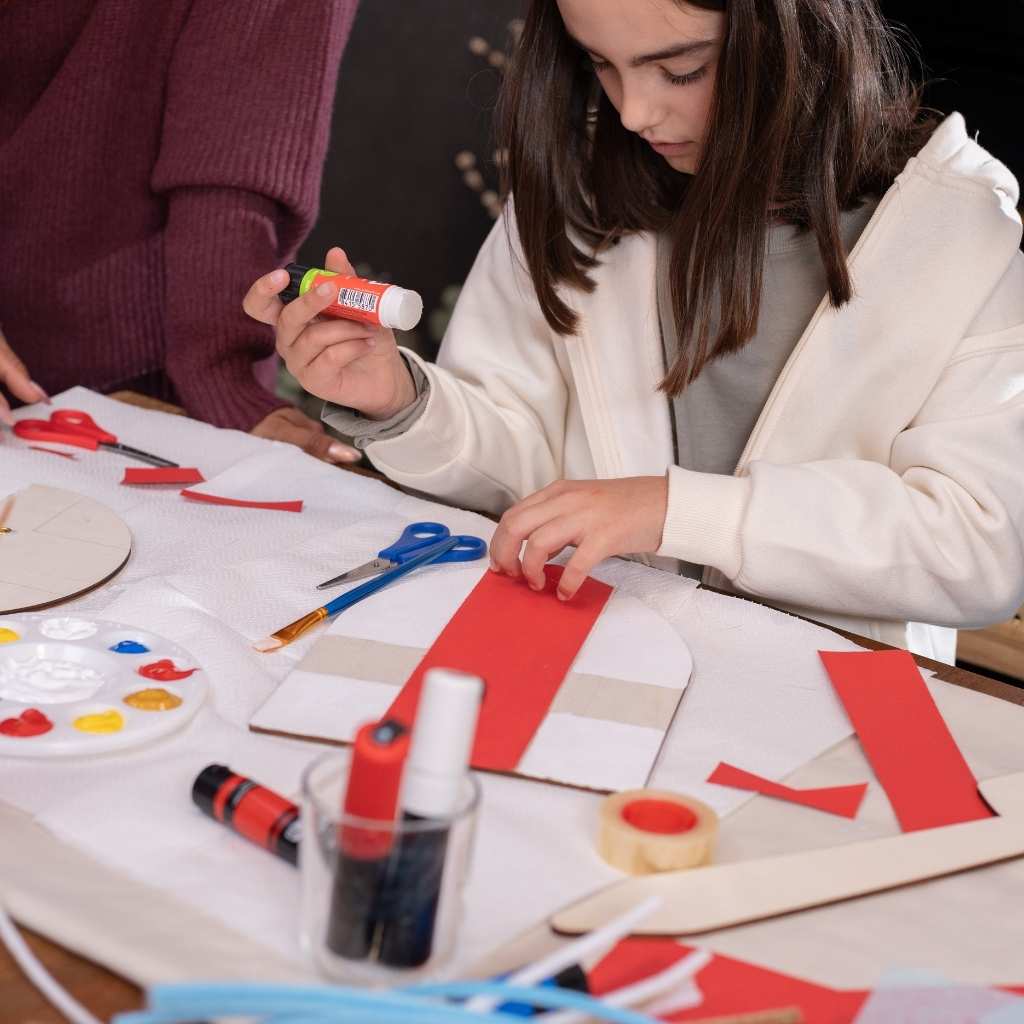
Create Valentines at Home
Designing cards at home allows children with autism to express themselves without time pressure. Offer choices in colors, stickers, or templates so the activity feels empowering, not demanding.
This supports social skills in autism by practicing giving and receiving in a calm environment, an approach aligned with step-by-step social learning described in the Autism Speaks guide on social skills.
Kindness Coupons
Instead of traditional valentines, create coupons for acts of kindness, like choosing a movie, sharing a favorite game, or doing an activity together. This reinforces emotional connection in concrete ways and doubles as one of the most practical Valentine´s Day tips for autism when abstract emotions are hard to interpret.
Sensory-Friendly Crafts
Heart-shaped playdough, textured paper, sensory beans, or calm art projects can turn Valentine´s Day into a soothing sensory experience rather than a stimulating one. If your child has strong sensory preferences, keep supplies simple and offer opt-out breaks.
Family Valentine’s Traditions
A special dinner, themed pajamas, or a favorite routine can redefine the holiday. Many Valentine´s Day tips for autism focus on celebrating love within the family, where children often feel truly safe.
Woodburn Pediatric highlights that flexible traditions and routine-friendly planning can reduce stress and increase participation, helping Valentine´s Day and autism feel compatible rather than conflicting.
Navigating School Valentine´s Day Celebrations
School environments can be especially complex during Valentine´s Day. Class parties, card exchanges, and social comparisons may create stress for children with autism and their caregivers.
Helpful Valentine´s Day tips for autism in school settings include:
- Communicating with teachers ahead of time about expectations
- Sending pre-filled or simple valentines to reduce pressure
- Allowing opt-out options for activities that feel overwhelming
- Planning a calm “reset” routine after school
For some children, it also helps to practice the “scripts” of school celebrations beforehand (what to say, what to do with a card, how to respond if someone says something unexpected). This type of practice builds social skills in autism in a real-life context.
If you want language or visuals to support this, the National Autistic Society also offers communication-focused insights that can help caregivers choose supports that fit their child.
Supporting Social and Emotional Understanding
Valentine´s Day naturally brings feelings: joy, confusion, disappointment, or excitement. Supporting emotional literacy is a key part of strengthening social skills in autism.
People with autism may communicate differently, which doesn’t lessen the depth or importance of their emotions. Valentine´s Day can be a gentle opportunity to:
- Practice naming emotions using visuals or emotion charts
- Validate feelings without rushing to “fix” them
- Model emotional expression through actions, not just words
Social learning often works best when skills are broken into smaller steps and practiced across settings: home, school, and community. That makes Valentine´s Day a helpful “real world” moment to reinforce social skills in autism with support.
Redefining Love and Connection
One of the most important shifts families can make around Valentine´s Day and autism is redefining what love looks like. Love doesn’t have to mean cards from classmates or perfect social exchanges.
For people with autism, love may show up as:
- Sharing a favorite interest
- Sitting quietly together
- Offering help in practical ways
- Wanting connection—but needing it in smaller doses
Hay investigaciones reminds us that neurodivergent expressions of love and caring are valid and meaningful. When families honor these expressions, children build confidence and emotional safety, both of which support long-term social skills in autism.
If your child prefers connection through shared activities rather than conversation, that is perfectly valid. It’s a connection. And it’s worth celebrating.
How ABA Therapy Can Support Growth Beyond Valentine´s Day
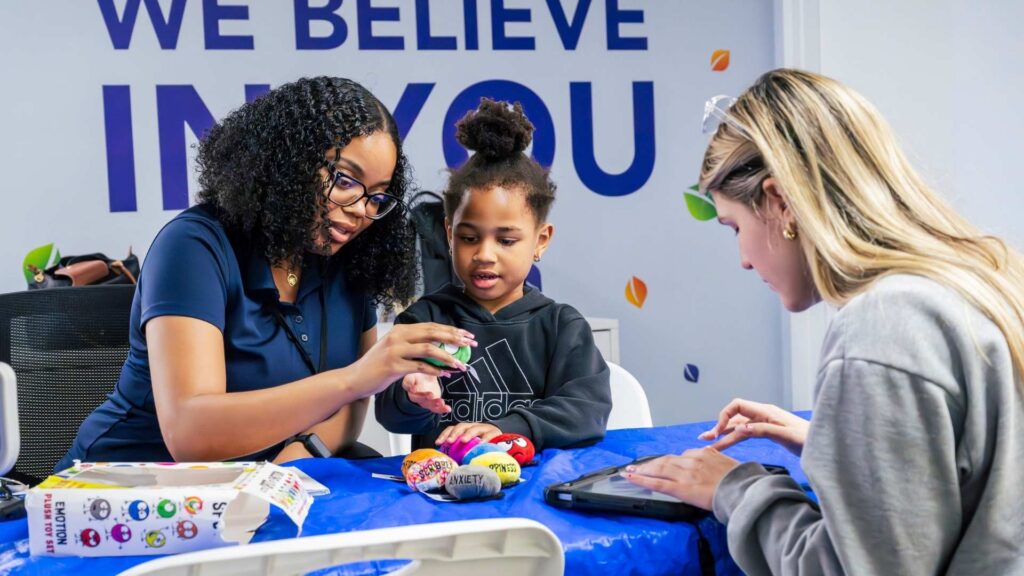
While holidays like Valentine´s Day can highlight social challenges, they can also show how much children with autism can grow with the right support, especially when goals are individualized, and progress is measured in meaningful, everyday wins.
Terapia de Análisis del Comportamiento Aplicado (ABA) helps children with autism build:
- Communication and emotional expression skills
- Confidence in social interactions
- Independence in daily routines
- Coping strategies for changes in routine and high-emotion moments
ABA Therapy is evidence-based and can be especially helpful for strengthening social skills in autism, including skills that show up during Valentine´s Day: turn-taking, flexible thinking, asking for help, communicating preferences, and responding to peers.
En Texas ABA Centers, families receive individualized care designed to help children thrive socially, emotionally, and behaviorally. Whether your child needs help navigating school social situations, practicing communication, or building independence, compassionate ABA support can make a meaningful difference.
¿Listo para dar el siguiente paso? Learn more about ABA Therapy or schedule a consultation with Texas ABA Centers by clicking here or calling us at (877) 771-5725 and find out what support options may be the best fit for your child and your family.







 English