

Tabla de contenidos
If you’ve been searching for signs of autism at 12 months old, you’re probably feeling concerned, maybe even overwhelmed, about your child’s well-being. That’s completely understandable.
The first year of life brings so many changes, and when something doesn’t feel quite right, it’s natural to want answers. The good news is this: not every developmental delay means autism.
Keep reading this blog by Texas ABA Centers as we explore the most common questions parents ask about 1-year-old developmental milestones, identify early differences in developmental signs of autism, and outline steps you can take to move forward with confidence.
What Are the 1-Year-Old Developmental Milestones?
Before focusing on signs of autism at 12 months old, it helps to understand what development typically looks like at this age.
Según el programa CDC’s 1-year milestone guide, many children begin showing progress across social, communication, cognitive, and physical areas.
Social and Communication
Many children:
- Respond to their name
- Make eye contact
- Use gestures like pointing or waving
- Babble back and forth
- Show interest in people
These are key 1-year-old developmental milestones, especially because they reflect early social connection.
Cognitive and Physical Skills
Typical 1-year-old developmental milestones may also include:
- Looking for hidden objects
- Exploring toys in different ways
- Pulling to stand or taking first steps
If your child isn’t meeting several 1-year-old developmental milestones, it doesn’t automatically mean autism, but it’s worth paying attention.
What Are the Signs of Autism at 12 Months Old? 9 Clues to Consider
When parents look up signs of autism at 12 months old, they’re often trying to understand whether their child’s behavior is typical or something more.
Según UNICEF, early differences usually appear in social communication.
Possible signs of autism at 12 months old incluyen:
- Not responding to their name
- Limited eye contact
- Not pointing or using gestures
- Minimal back-and-forth interaction
- Limited babbling
- Not sharing smiles or expressions
- Repetitive movements
- Strong reactions to sounds or textures
- Loss of previously learned skills

Is My 1-Year-Old a Late Bloomer, or Is It Autism?
This is one of the most common questions parents ask. Some children are late bloomers and catch up naturally. Others may show patterns more consistent with autism in toddlers, especially when social interaction is affected.
La American Academy of Pediatrics recommends focusing on patterns rather than isolated delays.
- Late bloomers often still seek interaction
- Children with early signs of autism in toddlers may show reduced social engagement
If you’re unsure whether you’re seeing signs of autism at 12 months old, you don’t have to figure it out alone. Screening can help clarify.
Can Autism Be Diagnosed at 12 Months?
In some cases, yes.
Research from the Canadian Pediatric Society shows that early signs of autism in toddlers can appear before age one. However, many children are diagnosed later, often between 18 and 24 months.
If a child shows consistent signs of autism at 12 months old, providers may recommend monitoring or early support.
The key takeaway: you don’t need to wait for a diagnóstico reciente to seek help.
How Do I Test My 1-Year-Old for Autism?
If you’re noticing signs of autism at 12 months old, the next step is usually developmental screening.
Pediatricians assess 1-year-old developmental milestones and look for delays. The CDC recommends routine screenings in early childhood. If concerns continue, your child may be referred to a specialist for a more detailed evaluation.
Why It Matters
When parents worry about autism in toddlers, it’s important not to rely on guesswork. A proper evaluation helps distinguish autism from other developmental differences.
Understanding Autism in Toddlers (Without Jumping to Conclusions)
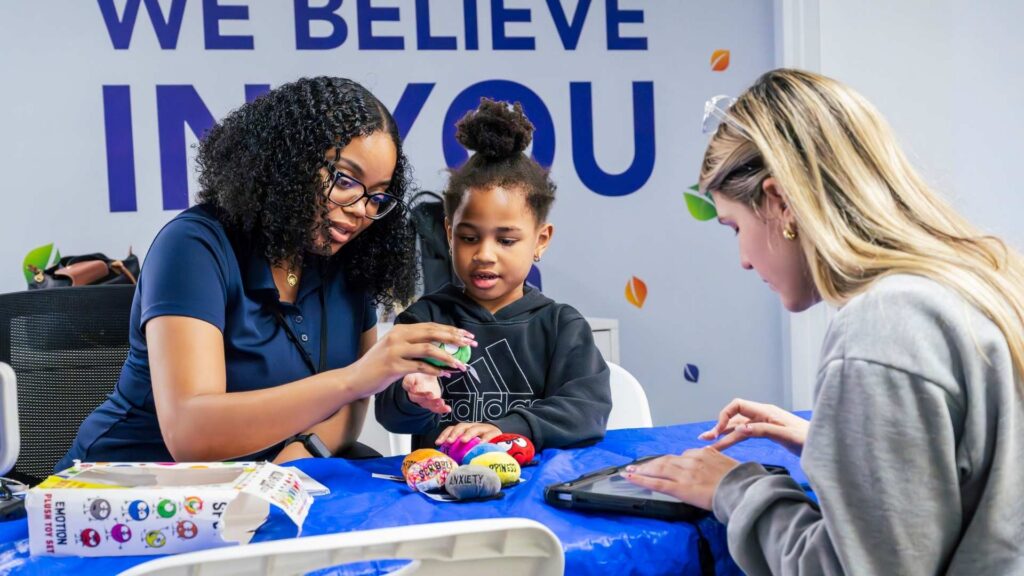
When discussing autism in toddlers, it’s important to stay balanced.
Autism is a developmental condition that affects communication, social interaction, and behavior. But not every delay is autism.
Some children:
- Catch up over time
- Have other developmental needs
- Simply develop at their own pace
If you’re noticing signs of autism at 12 months old, think of this as gathering information, not jumping to conclusions.
How ABA Therapy Can Help
If a child is presenting signs of autism in toddlers, early intervention can make a meaningful difference.
ABA therapy focuses on:
- Building communication skills
- Encouraging social interaction
- Teaching daily living skills
- Supporting positive behaviors
For children showing signs of autism at 12 months old, early support can help build confidence and independence over time.
What You Can Do Right Now
If you’re concerned about signs of autism at 12 months old, you can start supporting your child today:
- Engage in face-to-face play
- Narrate daily routines
- Encourage gestures and imitation
- Respond to all communication attempts
- Create simple routines
- Track 1-year-old developmental milestones
These small actions can support development while you seek guidance.
You’re Not Alone—And You Don’t Have to Wait
If your child is showing signs of autism at 12 months old, trusting your instincts is a powerful first step.
En Texas ABA Centers, we support families navigating questions about 1-year-old developmental milestones and concerns about autism in toddlers. Our team provides guidance, evaluations, and personalized care to help your child thrive.
Learn more or schedule a free consultation with us today by clicking here or calling us at (877) 771-5725 to understand the best path forward for your child and your family.






 English