


The CDC noted that increased identification among historically underidentified groups may reflect changes in awareness, evaluation, and access, although surveillance data cannot fully explain the differences. But gaps remain, especially for Hispanics in Texas. The report’s two Texas monitoring sites, Austin and Laredo, include mostly Hispanic and lower-income communities, and they had the lowest autism rates of all 16 sites. The CDC says this may point to barriers in accessing evaluations rather than fewer children with autism.
Why Are Latino Children Often Diagnosed With Autism Later?
Earlier literature cited an average diagnostic delay of approximately 2.5 years for Latino children compared with non-Latino white children. Because this estimate comes from older research, it should be presented as historical context rather than a current national benchmark. Moreover, several factors contribute to later diagnosis of autism in the Latino community, including how early signs are interpreted at home and by healthcare providers.
A study published in the Journal of Developmental and Behavioral Pediatrics found that many Latino parents had never heard of autism or had only a vague understanding of it. Awareness was lowest among Spanish-speaking parents.
Many parents also attributed early signs of autism to family dynamics or behavioral issues rather than recognizing them as potential indicators of a developmental condition.
Latino families may also encounter other barriers to an autism diagnosis, including:
- Conocimiento limitado sobre los síntomas del autismo y signos tempranos
- Stigma surrounding developmental and mental health conditions
- Escaso acceso a la atención médica debido a limitaciones financieras o estatus migratorio
- Barreras lingüísticas que impiden una comunicación efectiva con los proveedores
- Concerns dismissed by medical professionals, or speech delays wrongly blamed on learning two languages
As a result, some Latino children start services later than they could have. Support can help at any age, but starting early gives children more time to build skills during a period of rapid development.
Perspectivas Culturales Sobre el Autismo en la Comunidad Latina
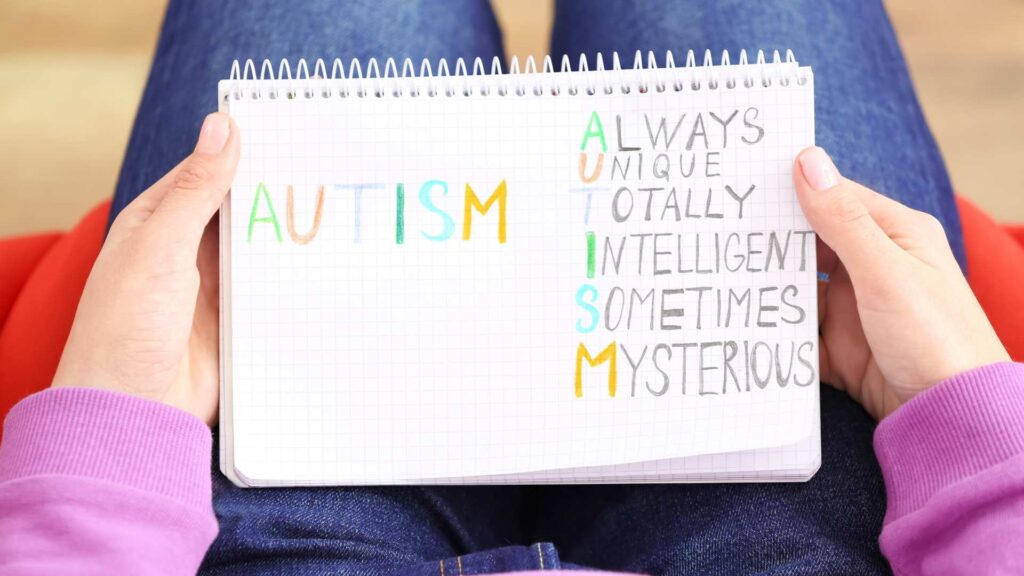
Culture can shape how Latino families perceive autism and other developmental conditions. Beliefs about childhood development, parenting, and disability can influence whether families seek medical help for their child. The JDBP study also found that some parents viewed early developmental differences as “normal” and expected children to outgrow them, which led them to hesitate to seek an evaluation.
Developmental and mental health conditions, including autism, can also carry stigma in some Latino communities. In a 2014 study published in Academic Pediatrics, Latino parents of children with autism said disabilities and mental health conditions are often seen as embarrassing or shameful in their communities, and some worried others would think their child was poorly disciplined. Because of this stigma, some parents felt uncomfortable sharing their concerns, or even admitting them, with healthcare providers, community members, or each other.
Healthcare Barriers Hispanic People Face in Autism Care

Many Hispanic people face practical barriers to autism care, including fewer nearby providers, cost, and language access. A 2023 study in JAMA Network Open mapped autism resources across the U.S. and found that Hispanic autistic children had significantly fewer resources per child than white autistic children, with some of the largest gaps in smaller, more rural (micropolitan) areas.
Varios factores contribuyen a estas disparidades:
- Barreras Lingüísticas: Muchos padres latinos reportan dificultades para encontrar proveedores de atención médica que hablen español, lo que dificulta navegar el proceso de diagnóstico y las opciones de tratamiento.
- Falta de Seguro Médico: Families without health insurance or with limited coverage often struggle to afford diagnostic evaluations and therapy. In Texas, Medicaid has covered ABA therapy since February 2022 for eligible children and young adults age 20 and younger with an autism diagnosis.
- Ubicación Geográfica: Muchas familias viven en áreas donde los especialistas en autismo son limitados, lo que requiere largas distancias de viaje para recibir atención.
- Desconfianza en el Sistema de Salud: Historical experiences of discrimination and systemic neglect have led some Hispanic people to distrust medical professionals, further delaying diagnoses and treatment.
Autism Resources for the Hispanic Community in the USA
Autism can affect any child, regardless of cultural background, and families don’t have to navigate it alone. These organizations and options offer support, much of it in Spanish, for the Hispanic community in the USA:
- Educar a las Familias Sobre los Primeros Signos de Autismo: Knowing the early signs helps parents advocate for timely evaluations. Sesame Workshop offers free Spanish-language materials to help families entiendan el autismo and recognize early signs.
- CDC’s “Learn the Signs. Act Early.” Offers free developmental milestone checklists in English and Spanish to help parents track their child’s development and share concerns with a doctor.
- Recursos en Español de Autism Speaks: Proporciona materiales educativos, kits de herramientas y grupos de apoyo específicamente para familias de habla hispana.
- Grupos de Apoyo: Muchos centros sin fines de lucro como Grupo Salto como grupos comunitarios ayudan a las familias latinas a navegar por la atención del autismo.
- Proveedores Bilingües de ABA: Algunos centros de terapia para el autismo ofrecen terapia bilingüe ABA services (ABA) therapy so children can receive services in their preferred language.
How Texas ABA Centers Support Latino Families Navigating Autism
Latino families navigating autism deserve access to early diagnosis, comprehensive support, and culturally competent care. Overcoming these barriers requires education, policy changes, and improved healthcare services. By raising awareness and creating inclusive resources, we can reduce evaluation delays and help families access appropriate services.
En Texas ABA Centers, entendemos los desafíos únicos que enfrentan las familias latinas cuando buscan atención para el autismo. Es por ello que estamos comprometidos a brindar servicios accesibles y de alta calidad que satisfagan las necesidades de nuestras comunidades diversas.
We work closely with families in Austin, Dallas, and Houston to help them navigate insurance benefits, ensuring that as many children as possible receive the therapy they need. Our team offers autism diagnosis and testing, plus in-home and center-based ABA therapy, making it easier for families to access care in the way that works best for them.
Si eres un padre que busca orientación sobre el autismo, recuerda que no estás solo. Estamos aquí para ayudarte a navegar y comprender el viaje neurodiverso. Llámanos al (877) 771-5725 o programa una consulta gratuita aquí.








 English