
Tabla de contenidos
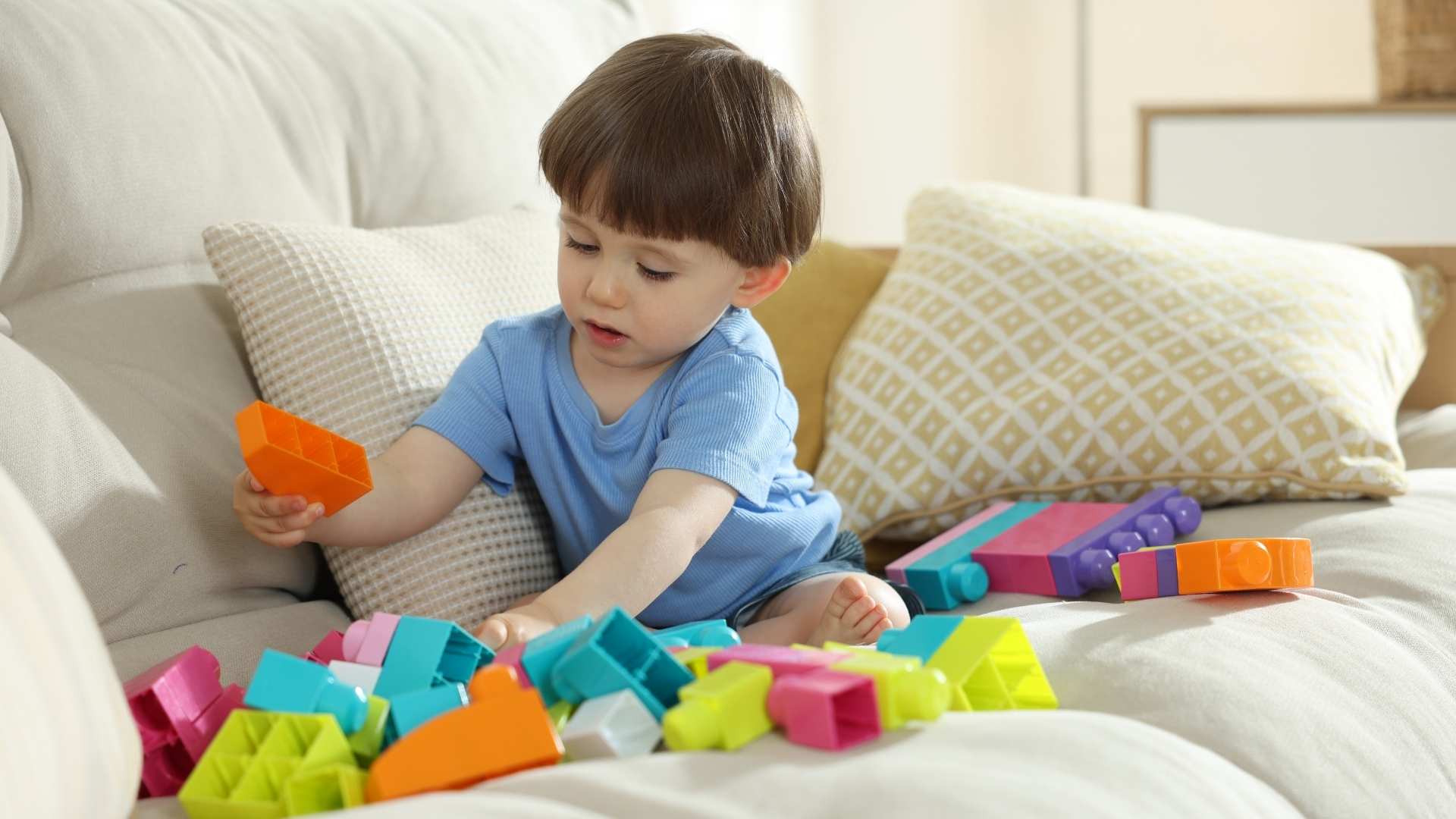
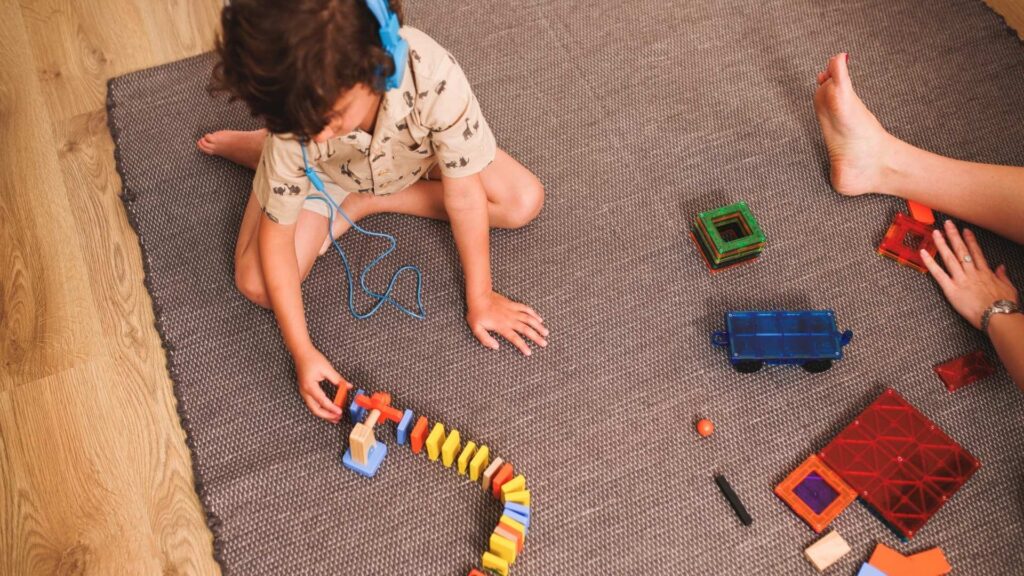
It often starts quietly. You walk into the room and notice a row of cars lined up perfectly across the floor. Or blocks arranged with surprising precision. Your toddler lining up toys might even look proud of their work.
And then the thought creeps in: Is this normal… or is this something more?
If you’ve been searching for answers about your toddler lining up toys, you’re not alone. Many parents notice this behavior and wonder if it’s connected to development, or even autism.
Here’s the reassuring truth: this behavior can be completely typical. But understanding when it’s part of development y when to take a closer look can make all the difference.
Keep reading this guide by Texas ABA Centers, and let’s walk through it together.
Why Does Toddler Lining Up Toys Happen?
At this stage, toddlers are like little scientists.
They explore patterns, repetition, and order to understand how the world works. When you see a toddler lining up toys, it’s often a sign that your child is:
- Exploring cause and effect
- Learning about categories and organization
- Practicing fine motor skills
- Building early problem-solving abilities
Según Montessori-based learning insights, toddlers often line up objects to develop spatial awareness and control over their environment.
So, if you’re noticing your toddler lining up toys, it may simply be your child learning in action, not a cause for alarm.
How Does Autism and Repetitive Behaviors Work?
You’ll often see autism and repetitive behaviors discussed together, and that’s because repetition can be part of autism. But it’s also a normal part of early development.
Repetitive behaviors in toddlers can include:
- Stacking and restacking
- Opening and closing objects
- Repeating movements or sounds
- Lining up toys in patterns
The key difference lies in cómo y how often these behaviors occur.
Las investigaciones on early childhood development shows that repetition supports learning and confidence-building in young children.
So yes, autism and repetitive behaviors are connected, but repetition alone doesn’t equal a diagnosis.
Is My Toddler Lining Up Toys a Sign of Autism?
This is the question that brings most parents here. And the answer is: not necessarily.
Si bien lining up toys and autism can be related, the behavior by itself is not enough to indicate autism.
Según la CDC, autism is identified through a combination of signs, including differences in communication, social interaction, and behavior patterns.

When evaluating a toddler lining up toys, professionals look at:
- Frequency: Does it happen constantly or occasionally?
- Flexibility: Can your child move on without distress?
- Social engagement: Do they interact with others during play?
- Variety in play: Do they use toys in different ways?
So, while lining up toys and autism can overlap, context is everything.
Comparison: Typical “Positioning” vs. ASD “Lining”
This is where things become clearer.
Typical Development (Positioning) | ASD-Related Patterns |
Occasional toddler lining up toys | Frequent, repetitive lining |
Flexible; child shifts easily | Rigid—distress when interrupted |
Uses toys in multiple ways | Limited variety in play |
Engages socially during play | Reduced social interaction |
Las investigaciones shows that children with autism often learn to play differently as they grow. When they are babies, they may use toys in unusual ways, such as focusing on small parts rather than the whole toy.
As toddlers, they are slower to learn how to use toys correctly (for example, pushing a car instead of just spinning its wheels). By preschool age, some children with autism may not develop pretend or imaginative play, even if they have the language and thinking skills to do so.
They also tend to show less enjoyment or creativity during play. Because play is important for learning and social development, therapists often aim to improve both the amount and the quality of how these kids play.
What Is the Difference Between Schema Play and Autistic Lining?
Here’s a concept many parents haven’t heard, but it’s incredibly helpful. Schema play is a natural developmental phase in which children repeat actions to understand concepts such as movement, order, and space.
For example:
- Lining up toys (ordering schema)
- Moving objects back and forth (trajectory schema)
- Grouping similar items
This type of play is:
- Exploratory
- Flexible
- Part of learning
In contrast, when lining up toys and autism are linked, the behavior tends to be:
- Highly repetitive
- Rigid and difficult to interrupt
- Less socially interactive
Educational research highlights schema play as a critical part of cognitive development, not something to suppress.
So again, toddler lining up toys often falls squarely in the “learning” category.
At What Age Should a Child Stop Lining Up Toys?
Short answer: There’s no exact “stop” age.
Most toddlers naturally grow out of repetitive behaviors like lining up toys as they:
- Develop language skills
- Engage in more imaginative play
- Increase social interaction
You might notice:
- More storytelling with toys
- Less focus on order and repetition
- Greater flexibility in play
If the behavior persists at a high level beyond the early toddler years, especially alongside other signs, it may be worth exploring further.
What Should I Do If I Notice Signs?
First, take a breath. You’re already doing the right thing by paying attention.
If you’re seeing your toddler lining up toys along with concerns about communication, social interaction, or rigidity, here are the next steps:
Observe Patterns
Notice when and how often the behavior occurs.
Engage in Play
Join your child in their activity and gently expand it.
Introduce Variation
Turn a line of cars into a “road” or story.
Track Development
Look at communication and social milestones.
Seek Professional Guidance
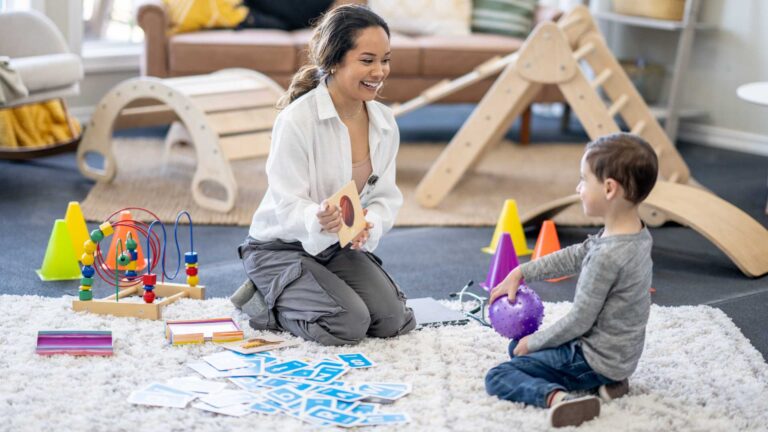
If concerns persist, an evaluation can provide clarity. Early evaluation doesn’t mean something is “wrong”; it simply gives you answers.
How ABA Therapy Supports Children with Autism
If a child is diagnosed with autism, support can make a meaningful difference.
Terapia del Análisis del Comportamiento Aplicado se centra en:
- Desarrollar habilidades de comunicación
- Encouraging flexible play
- Improving social interaction
- Reducing challenging repetitive behaviors
- Increasing independence and confidence
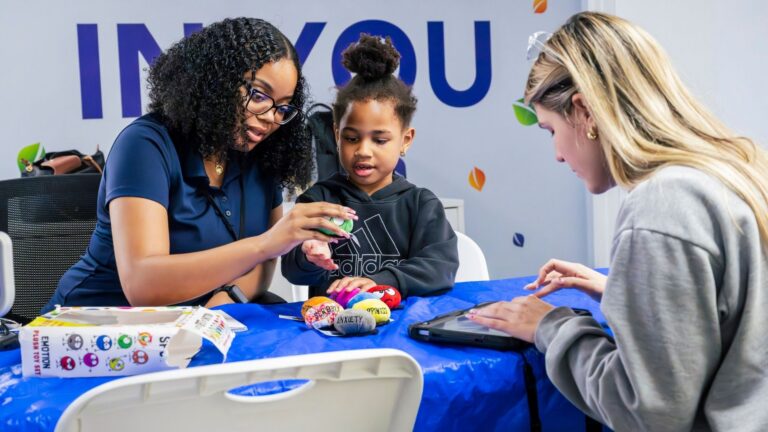
ABA therapy is evidence-based and tailored to each child’s needs, helping children with autism thrive in their own unique way.
When to Reach Out to Texas ABA Centers
If you’re feeling unsure about your child’s development, you don’t have to figure it out alone.
En Texas ABA Centers, our team specializes in helping families understand behaviors like toddler lining up toys, and whether they’re part of typical development or something more.
We provide:
- Comprehensive autism evaluations
- Personalized ABA therapy programs
- Family guidance and support
Obtén más información o programa hoy una consulta gratuita con nosotros haciendo clic aquí o llamándonos al (877) 771-5725 para conocer cuál puede ser el mejor camino a seguir para tu hijo y tu familia.
Because peace of mind matters, and early support can make all the difference.





 English