
Tabla de contenidos
¿Cómo Saber Si Mi Hijo Pequeño Tiene Dificultades Sensoriales?
Si has estado buscando respuestas sobre las dificultades sensoriales en niños pequeños, es probable que algún aspecto del comportamiento de tu hijo haya llamado tu atención.
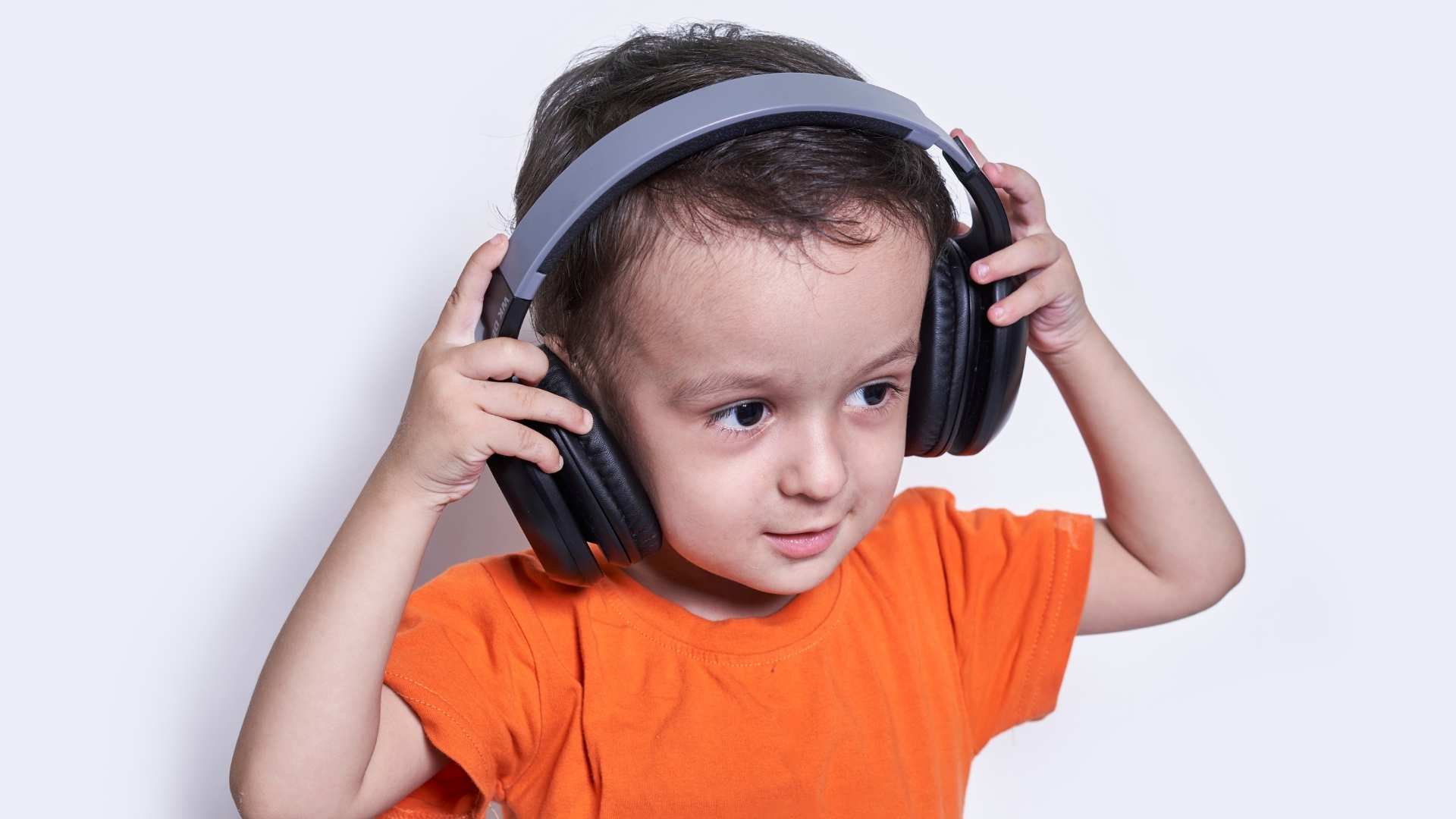
Tal vez se cubre los oídos cuando enciendes la licuadora.
Quizás vestirse se convierte en una lucha diaria.
O puede que parezca abrumarse en lugares donde otros niños se divierten.
Es fácil comenzar a anticipar escenarios y preguntarte:«¿Esto es normal?» «¿Debería preocuparme?» «¿Podría ser una de las señales de autismo en niños pequeños?»
Respira. No estás exagerando- estás prestando atención. Y comprender lo que está sucediendo es el mejor primer paso. Así que sigue leyendo este artículo de Texas ABA Centers , donde profundizaremos en el tema, explorando las preguntas más comunes sobre las dificultades sensoriales en niños pequeños y cuándo puede ser apropiado considerar un diagnóstico de autismo.
¿Qué Son las Dificultades Sensoriales en Niños Pequeños?
Las dificultades sensoriales en niños pequeños se refieren a diferencias en la forma en que un niño procesa y responde a los estímulos sensoriales, como los sonidos, el tacto, la luz, los sabores y el movimiento.
La sensibilidad sensorial en niños pequeños puede manifestarse de distintas maneras. Algunos pueden reaccionar con mayor intensidad de lo esperado ante ciertos estímulos sensoriales, mientras que otros pueden buscar activamente una mayor estimulación.
Por ejemplo, un niño pequeño puede:
- Cubrirse los oídos ante sonidos cotidianos
- Rechazar ciertas texturas de la ropa
- Evitar juegos que impliquen ensuciarse o comidas específicas
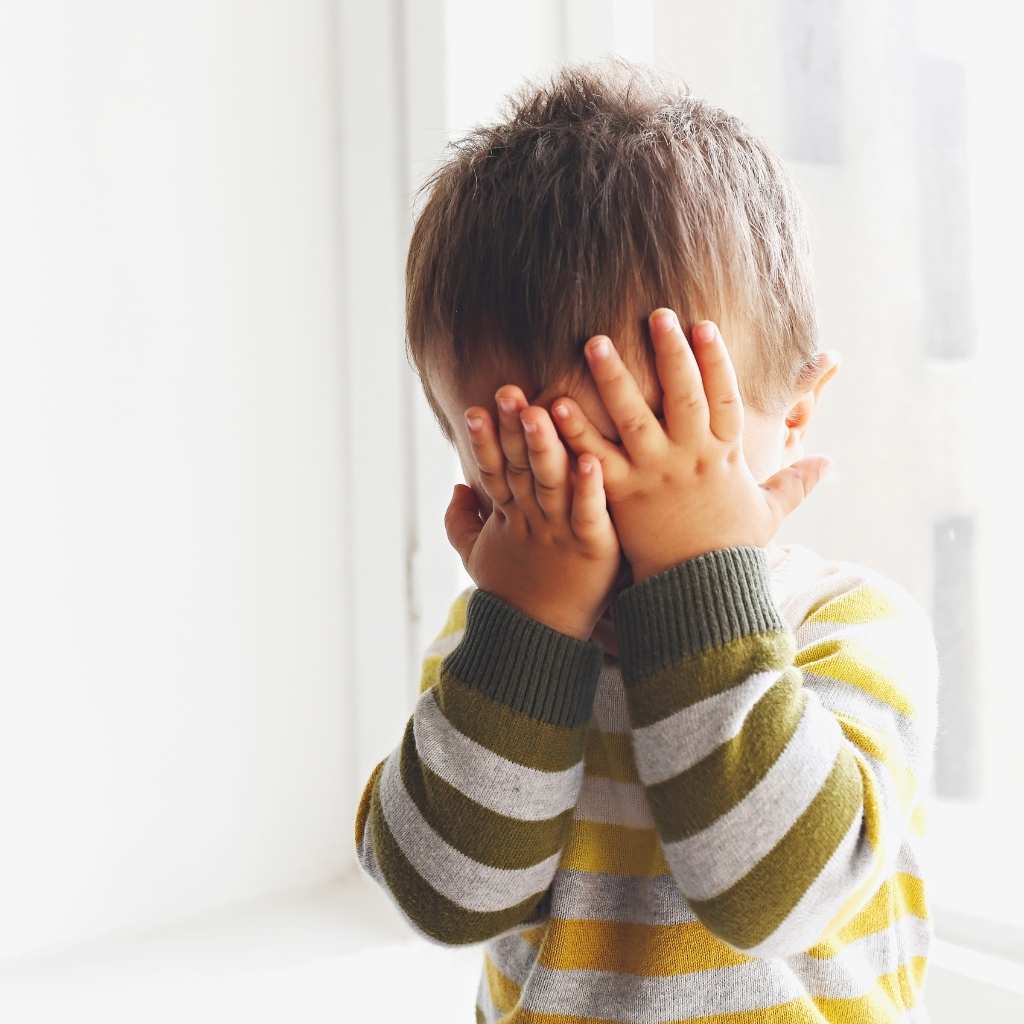
- Sentirse abrumado en entornos concurridos
Por otro lado, algunos niños pueden:
- Girar, saltar o lanzarse contra los muebles
- Tocar constantemente todo lo que encuentran a su alrededor
- Buscar movimientos intensos o una mayor presión física
Las investigaciones indican que las dificultades sensoriales en niños pequeños son relativamente comunes y pueden presentarse tanto en el desarrollo típico como en el atípico.
¿La Sensibilidad Sensorial en Niños Pequeños Es una Señal de Autismo?
Esta suele ser una de las mayores preocupaciones de las familias. La respuesta es que a veces puede serlo, pero no siempre.
Las sensibilidades sensoriales pueden ser una de las primeras señales de autismo en niños pequeños, especialmente cuando aparecen junto con:
- Retrasos en el habla o en la comunicación
- Limitado contacto visual
- Comportamientos repetitivos
- Dificultades en la interacción social
Los estudios indican que las diferencias sensoriales son muy comunes entre las personas con autismo y pueden manifestarse desde las primeras etapas del desarrollo. Sin embargo, las dificultades sensoriales en niños pequeños, por sí solas, no significan autismo.
Muchos niños presentan sensibilidad sensorial sin cumplir los criterios para el autismo. Por esta razón, los profesionales nunca se basan únicamente en los comportamientos sensoriales, sino que consideran el desarrollo del niño de manera integral.
¿Cuáles Son las Dificultades Sensoriales Más Comunes en Niños Pequeños?
La mayoría de las dificultades sensoriales en niños pequeños se manifiestan en las rutinas cotidianas: la hora de comer, la hora del baño, el momento de vestirse o las salidas a lugares públicos.
Estos son algunos de los patrones más comunes:
Sensibilidad a los Sonidos
Tu hijo puede llorar, cubrirse los oídos o intentar alejarse de entornos ruidosos.

Sensibilidad a las Texturas
Las etiquetas de la ropa, ciertos tipos de tela o los juegos que implican ensuciarse, como pintar con los dedos o jugar con arena, pueden resultar abrumadores.
Aversión a las Texturas de los Alimentos
Algunos niños pequeños solo comen alimentos con texturas muy específicas y evitan los blandos o los que combinan texturas diferentes.
Búsqueda de Movimiento
Saltar, girar o chocar contra objetos puede ser una forma de buscar estimulación sensorial.
Sensibilidad Visual
Las luces brillantes o los entornos con mucha actividad pueden provocar sobreestimulación.
Según explica Child Mind Institute, estas respuestas están relacionadas con la forma en que el cerebro del niño procesa la información sensorial, y no únicamente con el comportamiento o las preferencias.
¿Cómo Saber Si Mi Hijo Tiene un Trastorno del Procesamiento Sensorial (SPD)?
Cuando dificultades sensoriales en niños pequeños comienzan a interferir con la vida diaria, los padres a menudo se preguntan si se trata de un trastorno del procesamiento sensorial (SPD).
El SPD describe una dificultad persistente para responder a la información sensorial de una manera que favorezca el funcionamiento diario.
Las señales pueden incluir:
- Intensa y persistente sensibilidad sensorial
- Dificultad con rutinas como vestirse, comer o dormir
- Reacciones emocionales intensas ante experiencias sensoriales
- Dificultades con la coordinación o las transiciones
Las investigaciones demuestran que las diferencias en el procesamiento sensorial pueden afectar significativamente la participación del niño en las actividades diarias. Es importante recordar que el SPD puede existir con o sin autismo, y requiere una evaluación cuidadosa para entender qué está sucediendo.
¿Puede un Niño Tener Dificultades Sensoriales Sin Tener Autismo?
Sí, y esto es sumamente importante que los padres lo escuchen.
Los niños pequeños pueden tener dificultades sensoriales sin estar dentro del espectro. De hecho, existe la sensibilidad sensorial en niños pequeños debido a:
- Etapas naturales del desarrollo
- Personalidad y temperamento
- Diferencias en el procesamiento sensorial
Según la American Academy of Pediatrics, el diagnóstico de autismo siempre debe basarse en una evaluación completa del desarrollo, y no en una sola señal como la sensibilidad sensorial.
¿Cuándo Debo Buscar Ayuda Profesional para Mi Hijo Pequeño con Dificultades Sensoriales?
No es necesario esperar a que las cosas se sientan abrumadoras para buscar orientación.
Considera buscar ayuda si:
- Las dificultades sensoriales en niños pequeños interfieren con las rutinas diarias
- Tu hijo experimenta angustia con frecuencia
- Los comportamientos aumentan en intensidad
- Notas otras señales de autismo en niños pequeños
Área Sensorial | Lo Que Suele Ser Normal | Lo Que Podría Ser una Señal de Alerta |
Ruido | Sobresaltarse por un golpe repentino y muy fuerte. | Crisis emocional o taparse los oídos por una conversación de volumen normal. |
Tacto | Quejarse de un suéter específico por sentirlo "áspero". | Rechazar toda la ropa; incapacidad para tolerar el lavado de cabello o el corte de uñas. |
Movimiento | Disfrutar de los columpios del parque durante unos minutos. | "Chocar" constantemente contra las paredes; girar durante largos periodos sin marearse. |
Alimentación | Ser un "comedor selectivo" que prefiere ciertos snacks. | Arcadas extremas o vómitos al ver u oler texturas nuevas; dieta muy limitada. |
El apoyo temprano puede traer claridad y tranquilidad, sin importar el resultado.
¿Cómo Se Diagnostica el Autismo en Niños Pequeños?
Debido a que la sensibilidad sensorial se superpone con muchas diferencias del desarrollo, el diagnóstico de autismo se basa en una evaluación integral.
Esto incluye:
- Evaluación del desarrollo
- Observación conductual
- Entrevistas con los padres
- Evaluaciones estandarizadas
Los expertos observan patrones en la comunicación, el comportamiento y la interacción social, no solo dificultades sensoriales en niños pequeños.
Cómo la Terapia ABA Puede Ayudar a los Niños a Desarrollar Todo Su Potencial
Si un niño es diagnosticado con autismo, el apoyo temprano puede marcar una diferencia significativa.
La terapia ABA ayuda a los niños a:
- Desarrollar habilidades de comunicación
- Mejorar la interacción social
- Aumentar la independencia
- Desarrollar la regulación emocional
En un niño que muestra señales de sensibilidad sensorial, la terapia ABA también puede:
- Enseñar estrategias de afrontamiento para entornos abrumadores
- Apoyar transiciones más suaves
- Ayudar a reducir la angustia relacionada con los estímulos sensoriales
El objetivo es ayudar a los niños a sentirse más seguros y capaces en su vida diaria, y capacitar a los cuidadores para hacerlo posible.

Queridos Padres y Cuidadores: No Están Solos
Si notas que tu hijo muestra señales de dificultades sensoriales en niños pequeños, es natural sentirse inseguro. Pero ten en cuenta que estos comportamientos no significan autismo automáticamente.
Algunos niños superan las sensibilidades. Algunos se benefician del apoyo. Y algunos pueden mostrar señales de autismo en niños pequeños que conducen a una evaluación adicional.
Lo más importante es que estés prestando atención y cuentes con el apoyo adecuado de Texas ABA Centers. Ayudamos a las familias a comprender las dificultades sensoriales en niños pequeños, evaluar las inquietudes del desarrollo y determinar los mejores próximos pasos para cada niño.
Si no estás seguro de qué significan los comportamientos sensoriales de tu hijo, no tienes que resolverlo solo.
Programa hoy una consulta gratuita para obtener orientación personalizada haciendo clic aquí o llamándonos al (877) 771-5725, y descubre cómo la terapia ABA puede apoyar el crecimiento, la confianza y la independencia de tu hijo.







 English